Proposals consider major changes to support renewal and growth
24 October 2026
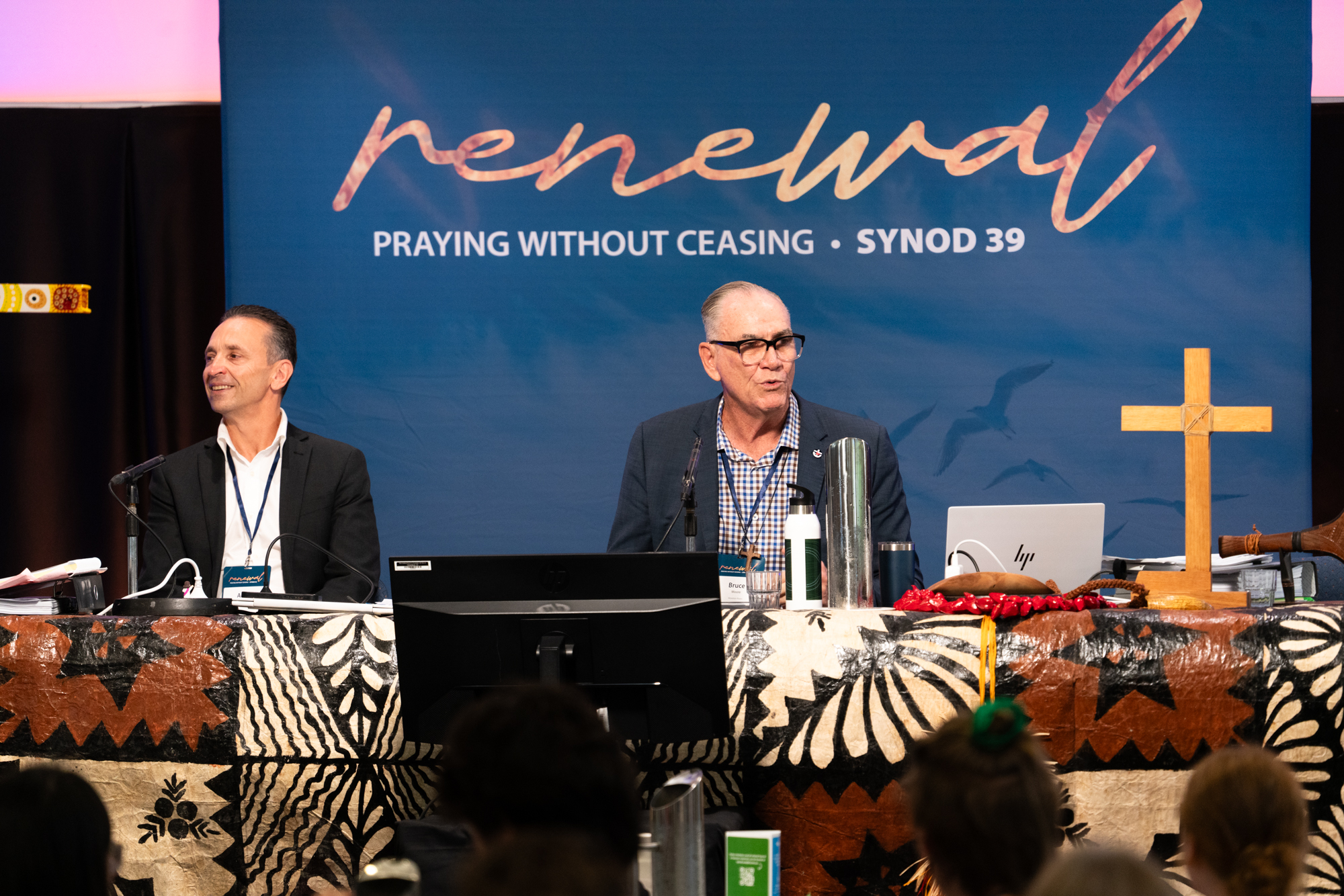
The 39th Synod of the Uniting Church in Queensland has been asked to consider one of the most significant changes to the Church’s structure in recent years – replacing seven presbyteries with three, while creating a new model for sharing and growing the resources available to them.
The two proposals, Presbytery Capacity and Resourcing Flourishing Presbyteries, are separate but designed in theory to work together. They’re formally separate and aren’t dependent on each other, but both are aimed at the same goal: giving presbyteries greater capacity to support congregations, faith communities and ministry leaders as the Queensland Church seeks renewal and growth.
“Emerging from extensive consultation and consideration, since 2024, this proposal brings forward a statewide response to challenges facing our Church,” said proposer Rev. Scott Ballment, Presbytery Minister from for Central Queensland of the Presbytery Capacity Proposal.
“Moderator and members of Synod, this is not change for change's sake; it is about recognising our reality and taking responsibility for our future and creating structures that better equip us to serve the church, and participate in God's mission.”
Under the Presbytery Capacity proposal, the seven existing presbyteries would be dissolved on 30 June 2027 and replaced by three new presbyteries from 1 July 2027. The proposed interim names are Greater Regional Queensland, Wide Bay Brisbane and Southern Queensland.
Greater Regional Queensland would cover much of the state, including major centres such as Cairns, Townsville, Mackay, Rockhampton, Gladstone and Bundaberg, as well as rural and remote communities. Wide Bay Brisbane would stretch from Brisbane north to Maryborough and Hervey Bay, including the Sunshine Coast and hinterland, while Southern Queensland would cover the area south of Brisbane to the NSW border and west across the eastern Darling Downs.
The case for change is straightforward. The proposal argues that the current model limits the capacity of presbyteries to provide the support increasingly being sought by congregations and leaders. Seven separate structures can also mean duplication in staffing, administration, leadership and volunteer effort.
Moving to three presbyteries is intended to reduce that duplication while creating room for a wider range of specialist skills. The proposal describes the staffing model as equitable, contextual and fluid, with a core team in each presbytery supplemented by staff with specialist skills suited to its particular context.
“Presbyteries are essential for the renewal and growth that we've been speaking about for some years now. This proposal is more than changing presbytery structures or boundaries; it's an opportunity to build stronger, more connected, and sustainable presbyteries,” said seconder Rev. Catherine Solomon, Presbytery Minister of South Moreton Presbytery. “It also gives us the opportunity to rethink how presbyteries serve the church.”
That distinction between equality and equity is particularly important for the proposed Greater Regional Queensland Presbytery. Its size and geography have raised questions about whether such a large regional presbytery can work effectively. The proposal acknowledges the challenges of distance and travel but argues that a larger regional structure could develop deeper expertise in rural, remote and regional ministry, including remote area bush chaplaincy. It also proposes higher staffing levels for the regional presbytery to recognise the additional demands created by geography and travel.
The model also envisages a stronger local presence through zones or groups of congregations. These could be organised geographically or around particular contexts, such as mining or tourism communities, and could support leaders, encourage collaboration and, where a presbytery chooses, take on delegated responsibilities. Decisions about whether to establish zones and what powers they might have would remain with each new presbytery.
The second proposal tackles the financial question: how can presbyteries be resourced sustainably when their existing financial capacity varies considerably?
Resourcing Flourishing Presbyteries
Resourcing Flourishing Presbyteries proposes bringing presbytery property and financial resources into a more coordinated system. It would establish a Combined Presbytery Resourcing Committee, a Combined Presbytery Resource Fund as a long-term capital endowment, and a Combined Presbytery Operational Fund to meet annual staffing, administration, operational and strategic needs. Congregation property isn’t included in the model.
The intention is to move from a model based largely on the historical resources of individual presbyteries towards a shared approach, where funding decisions consider need, priorities, available resources and the different geographic and missional contexts of each presbytery.
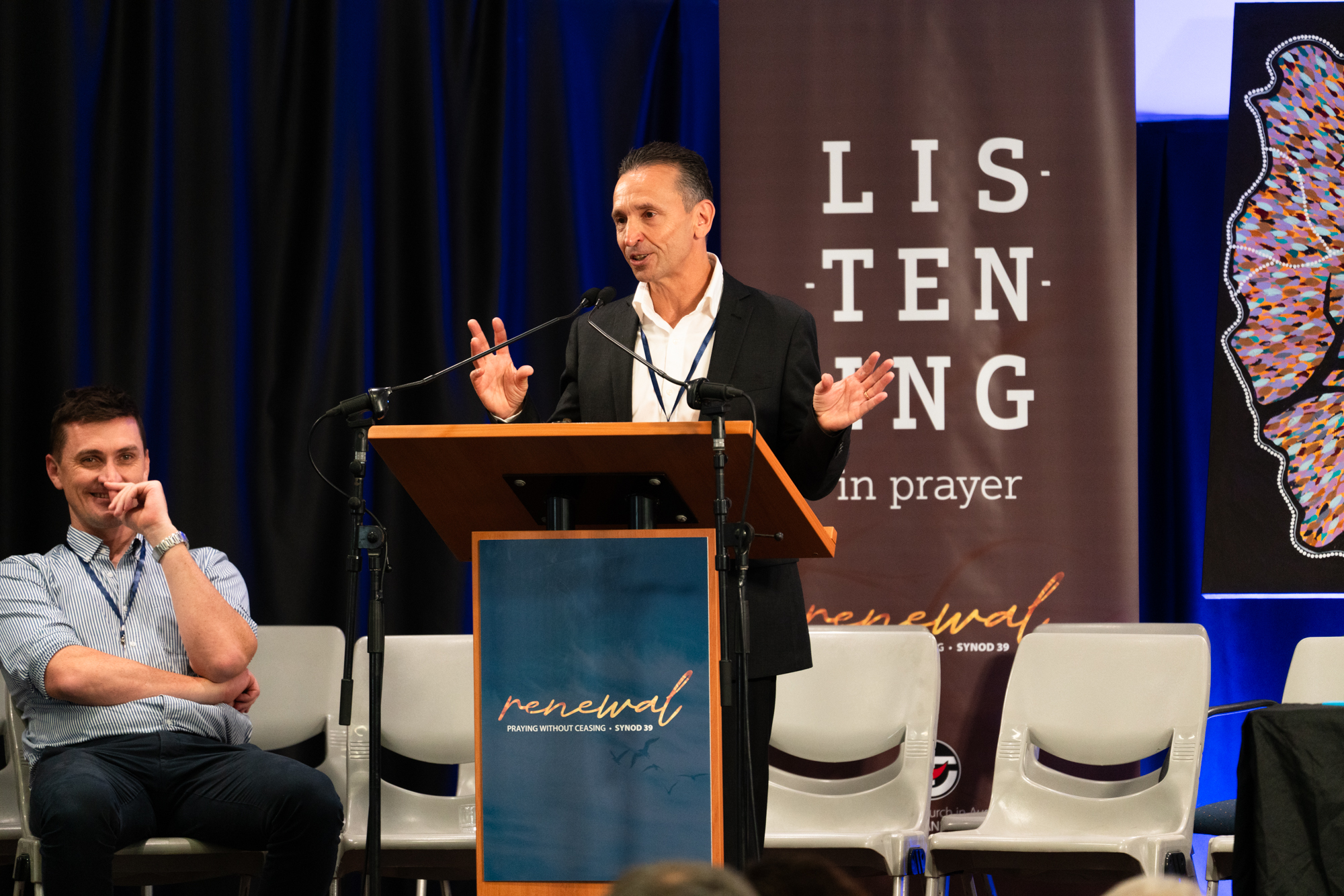
“I'm pleased to move General Proposal 2, resourcing Flourishing Presbyteries. At its core, this proposal seeks to answer one simple but critical question: how do we ensure that our Presbyteries have the resources they need to support a renewing and growing church, not just today, not just for the next 5 years, but for decades to come?” said General Secretary Rev. Adam McIntosh of Proposal 2.
It’s an important philosophical shift as well as a financial one. The proposal argues that property and financial assets should be stewarded as resources for mission rather than simply retained because they’ve historically belonged to a particular presbytery. A centralised approach could also provide greater scale and expertise in managing property and investments, potentially unlocking income from underutilised assets.
Rev. McIntosh said the proposal is “grounded in a vision of shared abundance, faithful stewardship, and common life. It asks us to see Presbytery resources not primarily as resources belonging to one part of the Church, but as resources entrusted to the whole church for the sake of the mission of God. It seeks to give expression to the biblical vision of stewarding the church's resources as our line in Acts chapter 4 with the church in Jerusalem addressing inequity in their life.”
The financial modelling accompanying the proposal compares the existing seven-presbytery model with the proposed shared resourcing model. Its five-year budget projects stronger results under the new model, although those projections depend on a range of assumptions about investment returns, property income, Mission Development Fund resources and future funding requirements.
The proposals haven’t emerged without questions. Consultation with presbyteries identified concerns about governance, fairness between regional and metropolitan areas, local decision-making, the use of capital, the impact on existing income streams and how the changes would benefit congregations. The resourcing proposal was subsequently amended to provide more detail around governance, reporting, capital funding, financial modelling and transition arrangements.
That consultation process has been extensive. The Presbytery Capacity proposal grew out of discussions among Presbytery Ministers during 2024 and 2025, followed by a discussion paper in August 2025 and formal consultation on a draft proposal in 2026. The final proposal was approved by the Synod Standing Committee for consideration by the 39th Synod.
If adopted, the changes would begin a significant transition, with detailed planning required around staffing, property, finances, technology, office arrangements, governance and existing ministry commitments. The intention is for the three new presbyteries to begin operating on 1 July 2027.
Rev. Catherine Soloman also seconded this proposal saying that: “For many years, we have talked about the importance of flourishing Presbyteries. Presbyteries have unique significant role to play in knowing church. While responsibilities have increased over the years, we haven't been able to match that with the sustainable resources needed to serve the church well.
“This proposal gives us an opportunity to change that. One of its strengths is that it keeps discernment and decision-making in the right places. Presbyteries continue to discern their own mission priorities, ministry needs, and strategic directions.
“The combined Presbytery resourcing committee provides transparent, equitable oversight of funding and resources across Queensland.”
At its heart, the question before the 39th Synod isn’t simply how many presbyteries Queensland should have. It’s whether changing the way the Church organises its people, leadership, property and money can create greater capacity for the work presbyteries are ultimately there to do – supporting congregations and faith communities to flourish in a changing Queensland.

Discipleship
Discipleship & Mission
Children, Youth, Young Adults and Families
Journey
Latest stories
Browse the latest stories of the Church