Young voices, renewed faith: What the church can learn from its next generation
25 October 2026
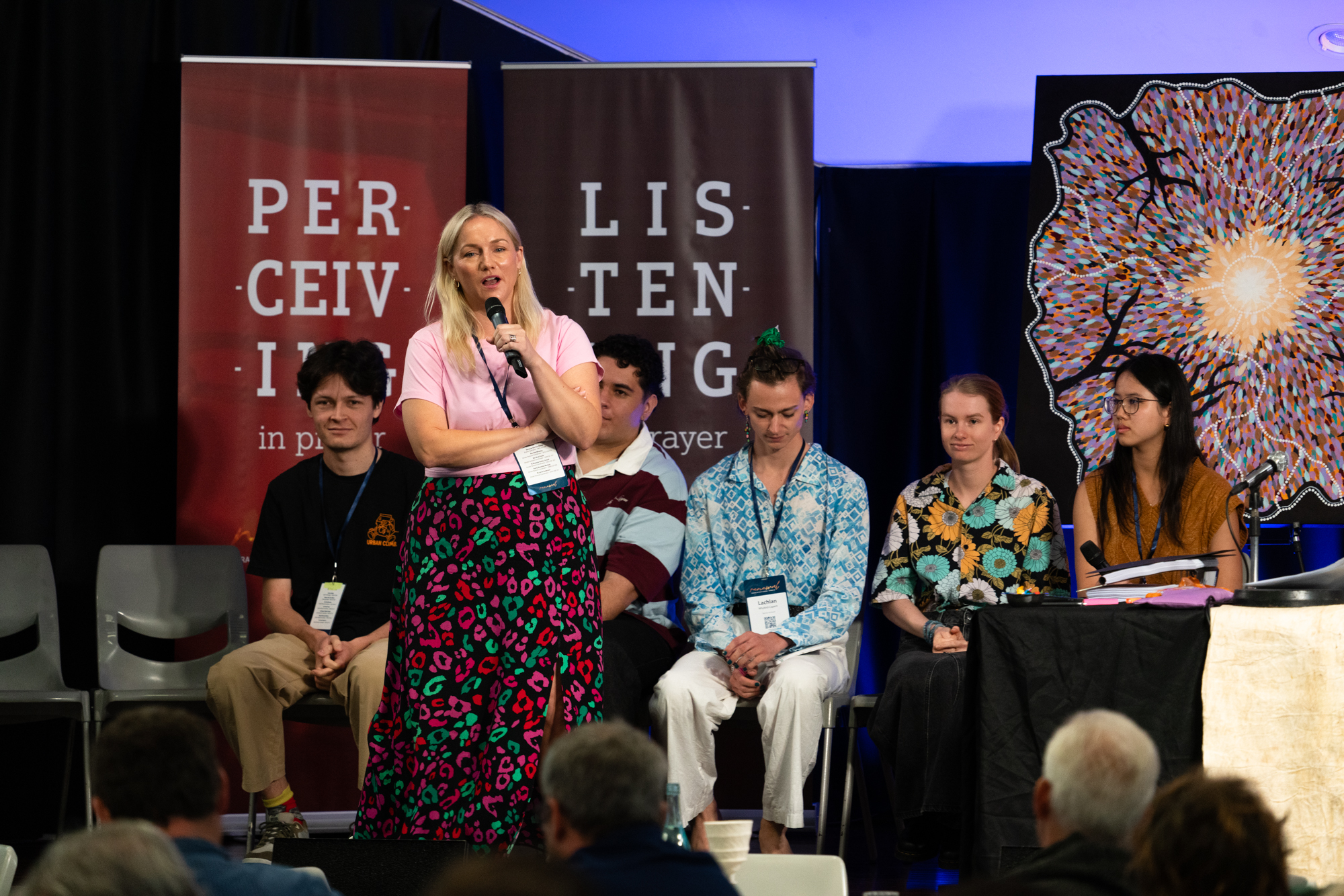
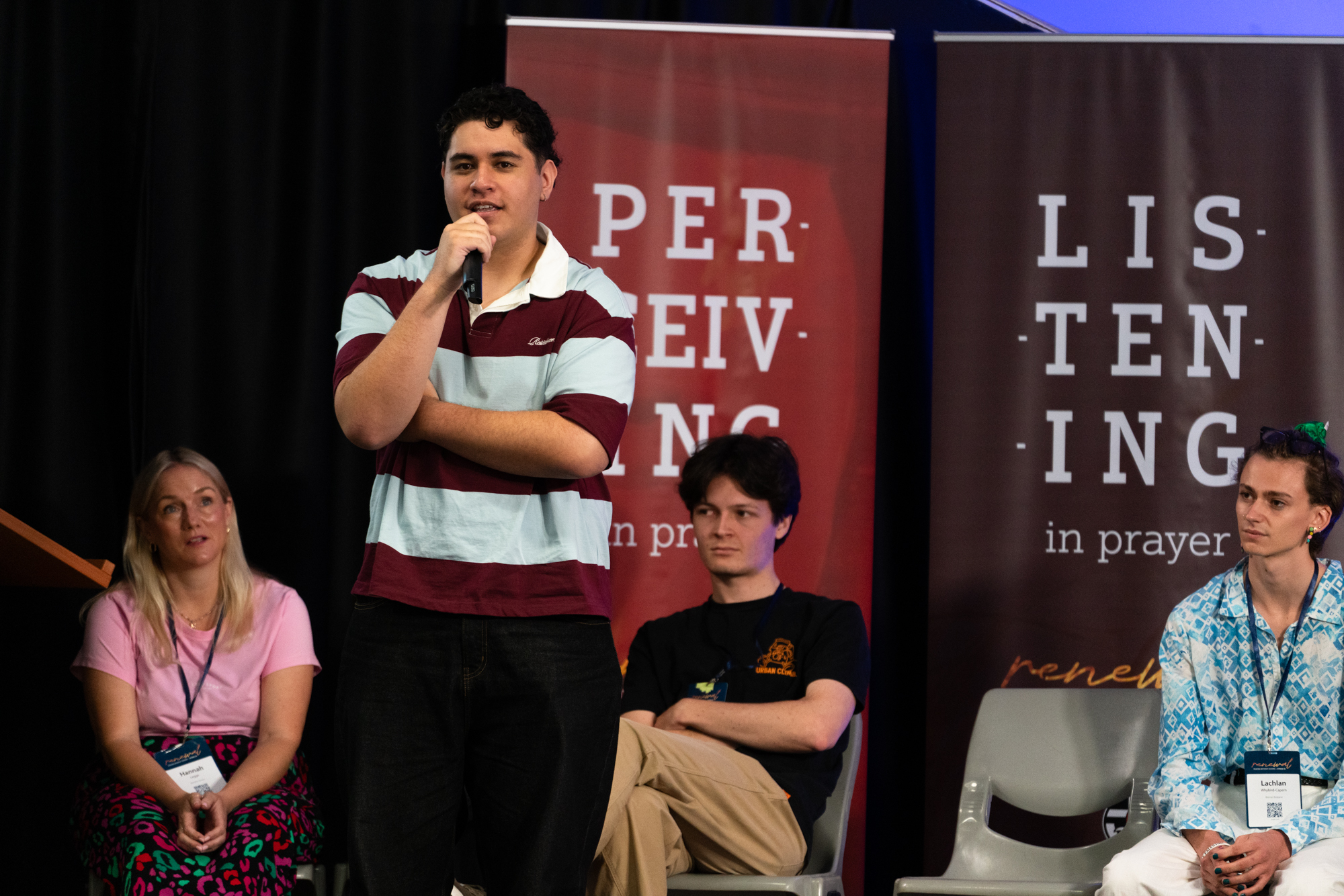
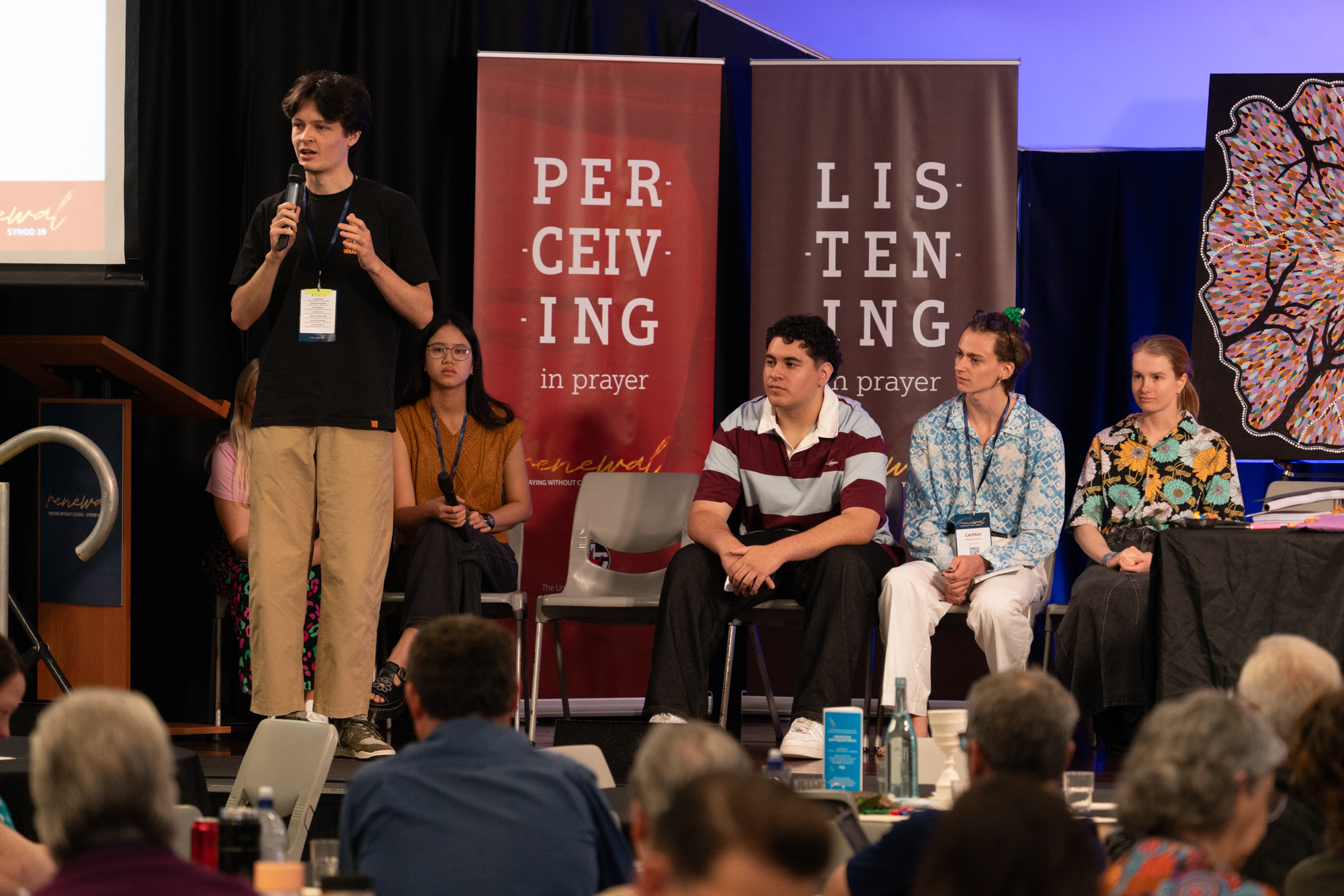
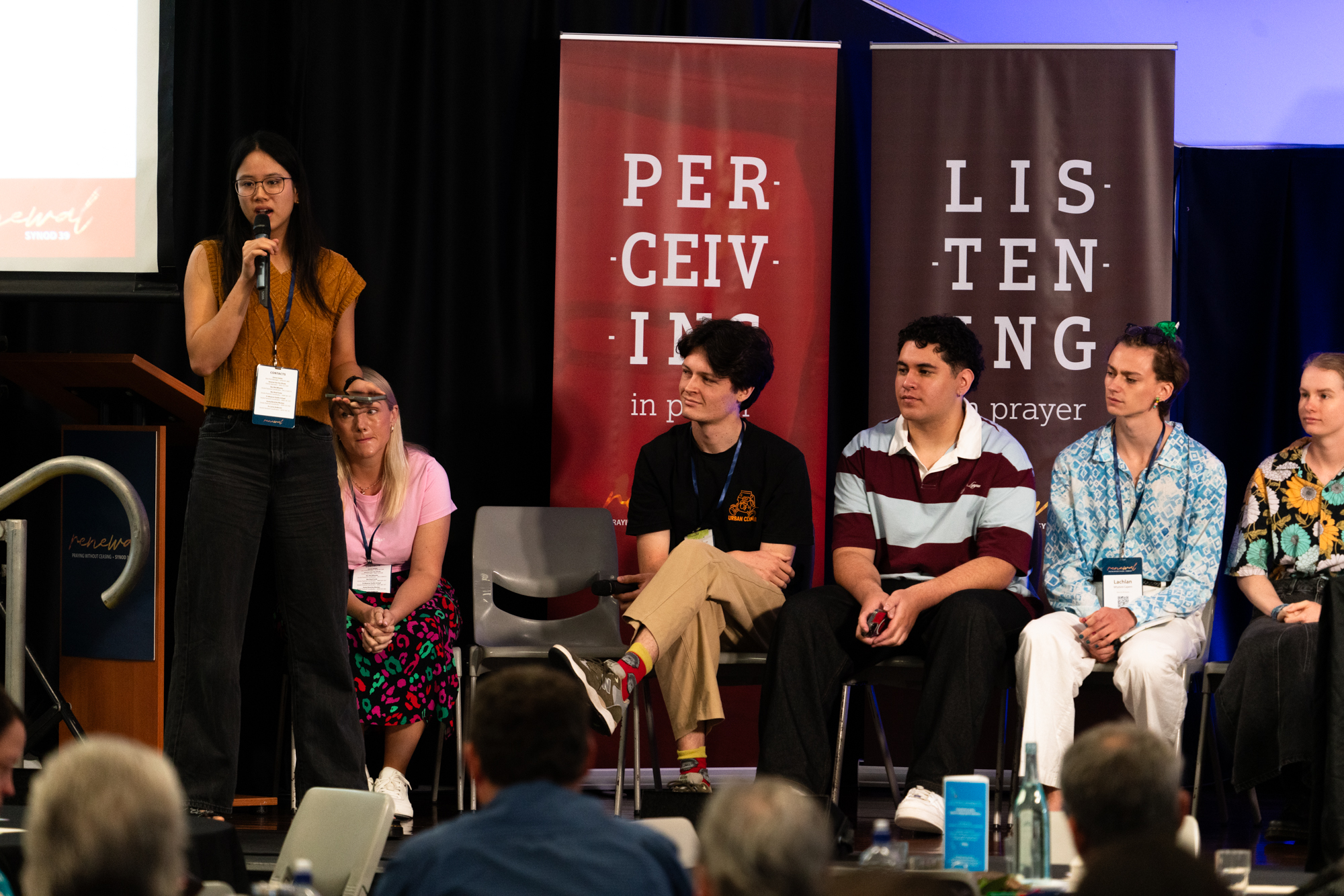
Young people at the 39th Queensland Uniting Church Synod in Session called for a church that does more than welcome them. They want communities where relationships are intentional, leadership is shared and belonging is something people experience, not simply hear about.
What does it mean to grow up in the church, and what helps a young person make faith their own?
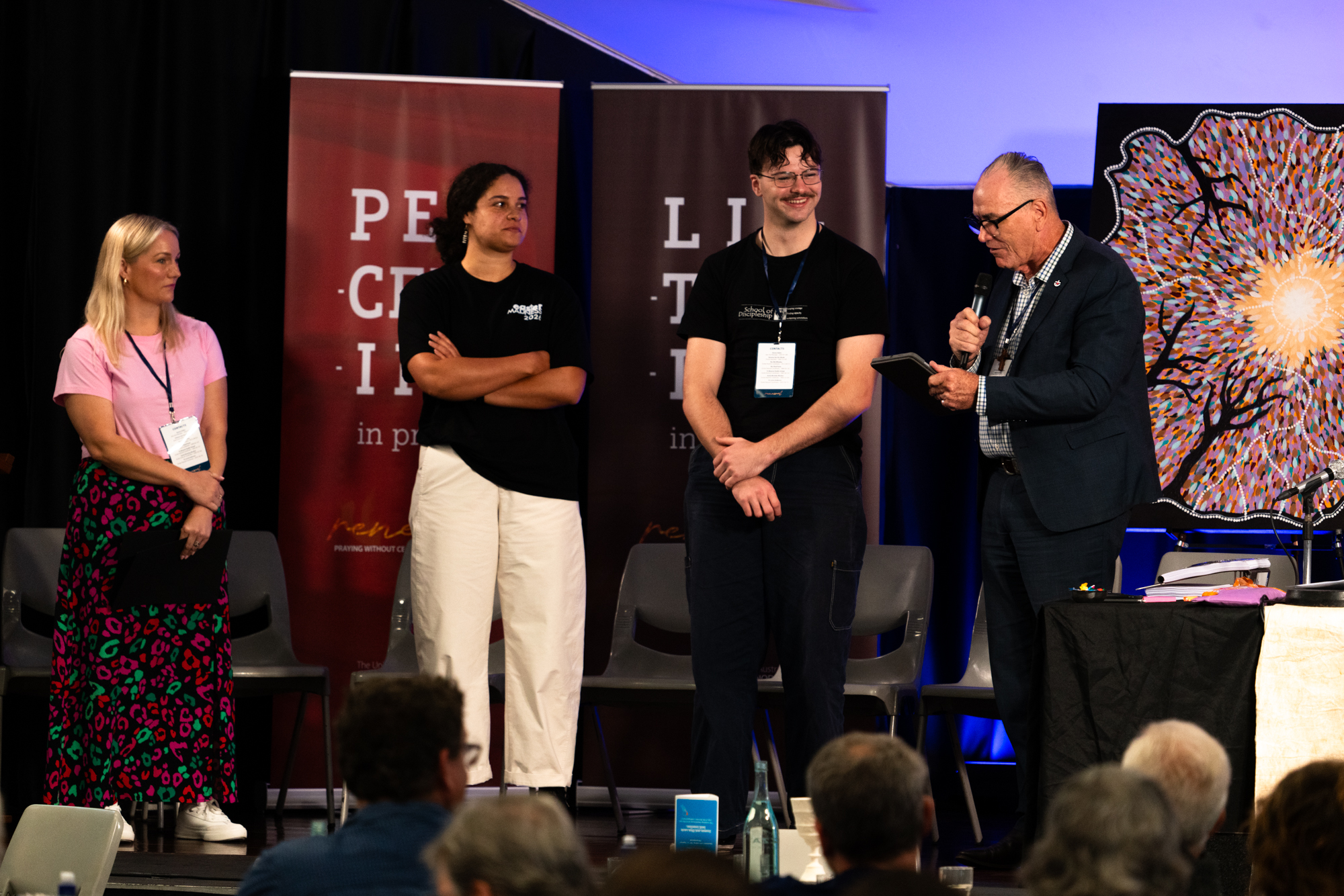
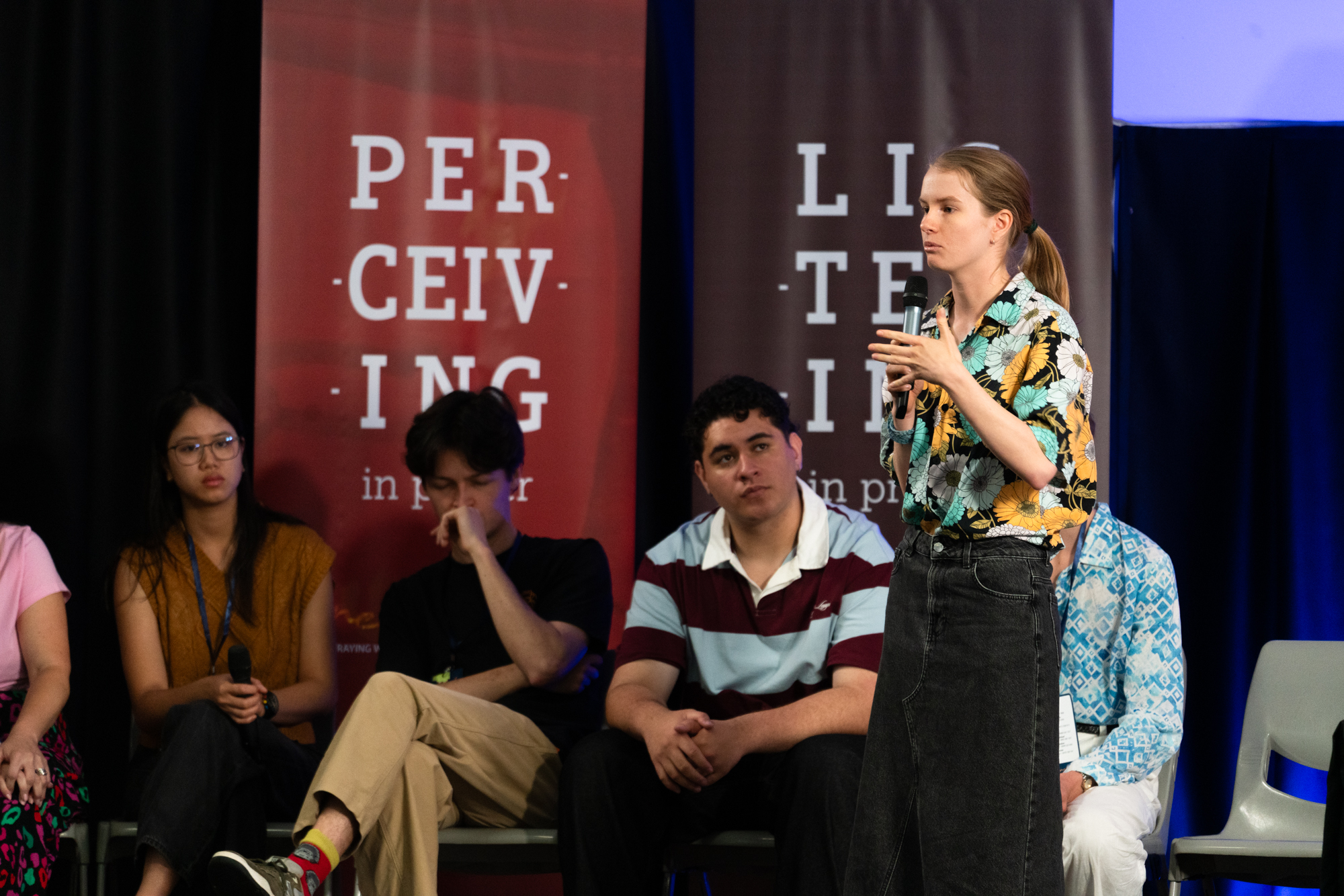
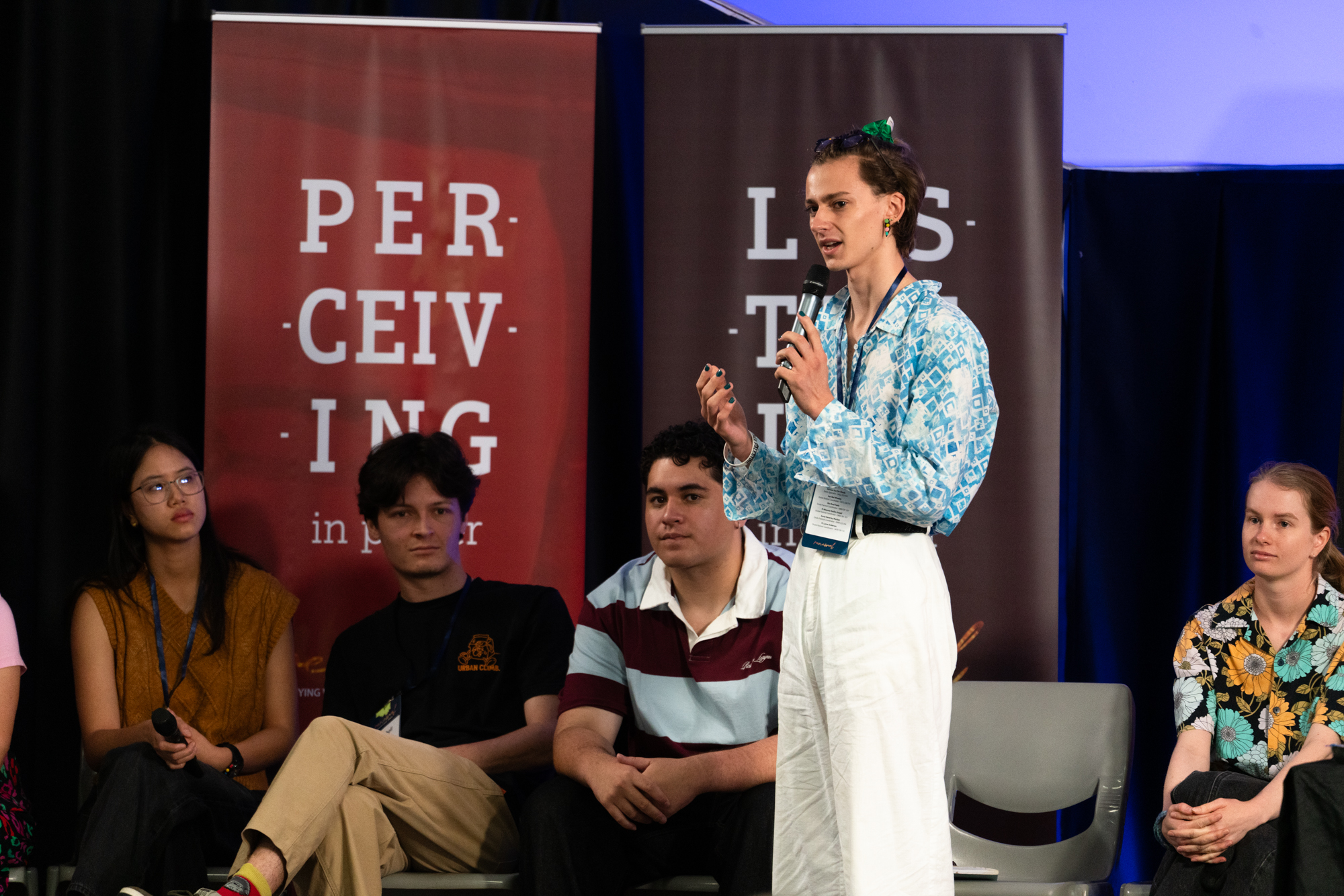
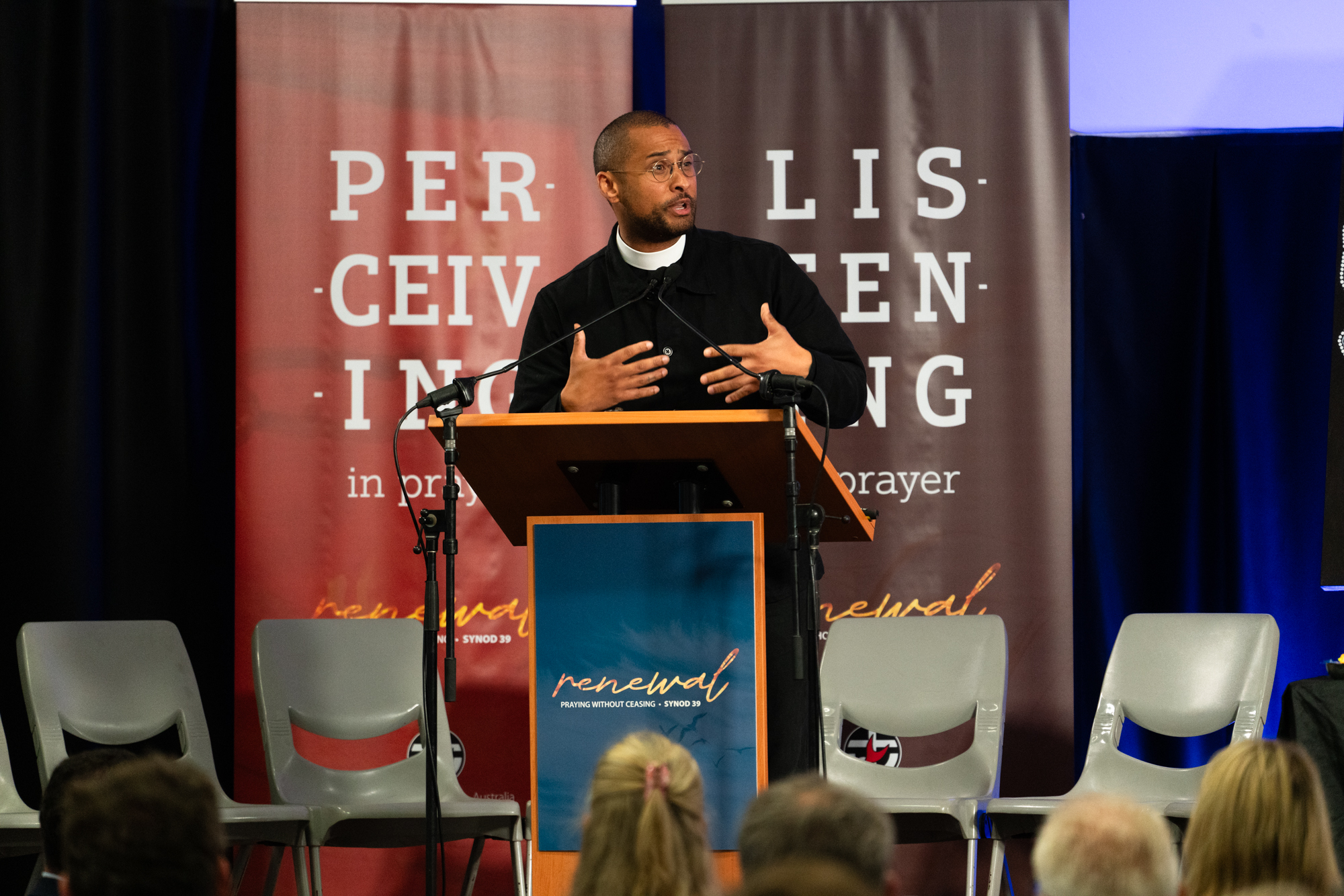
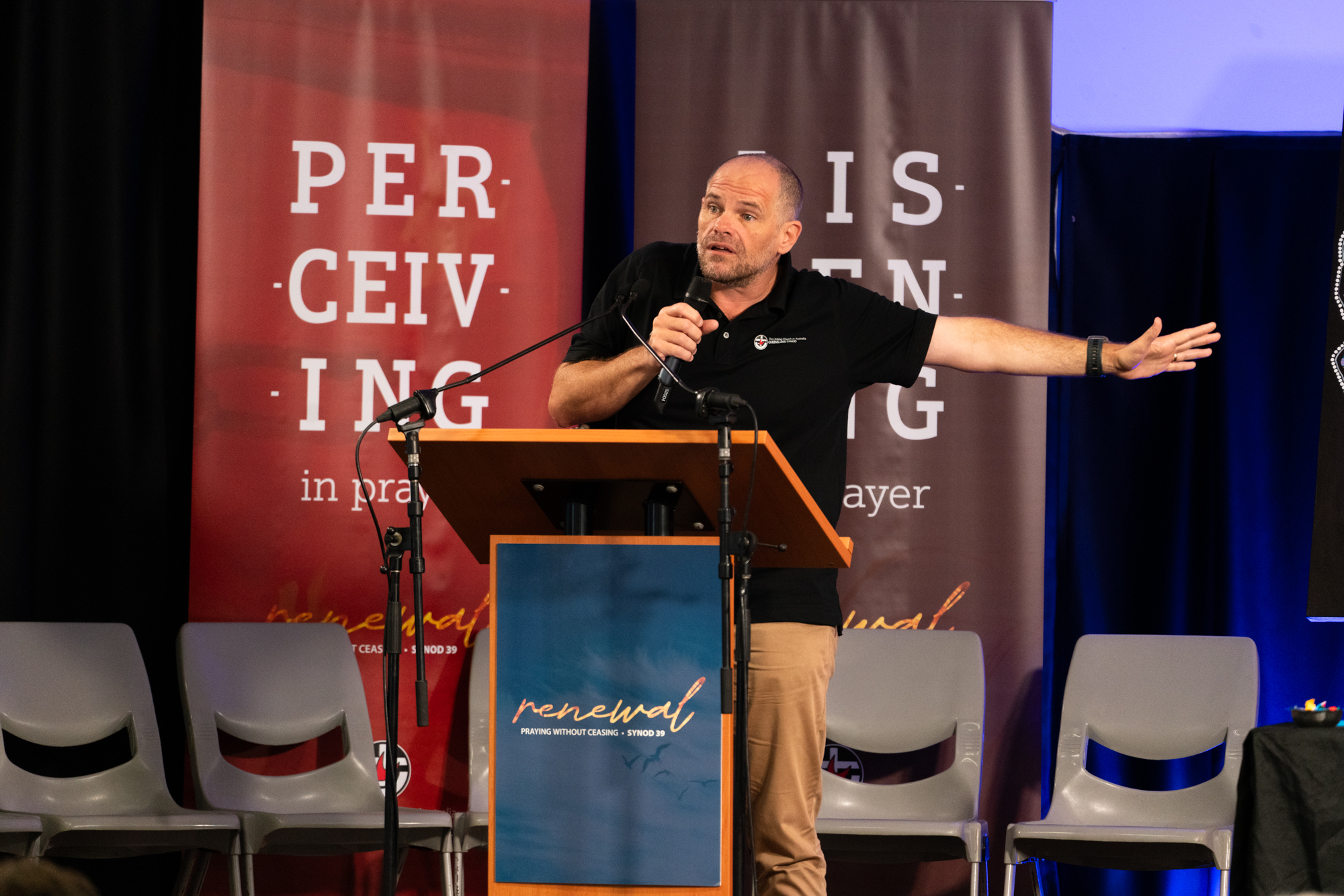
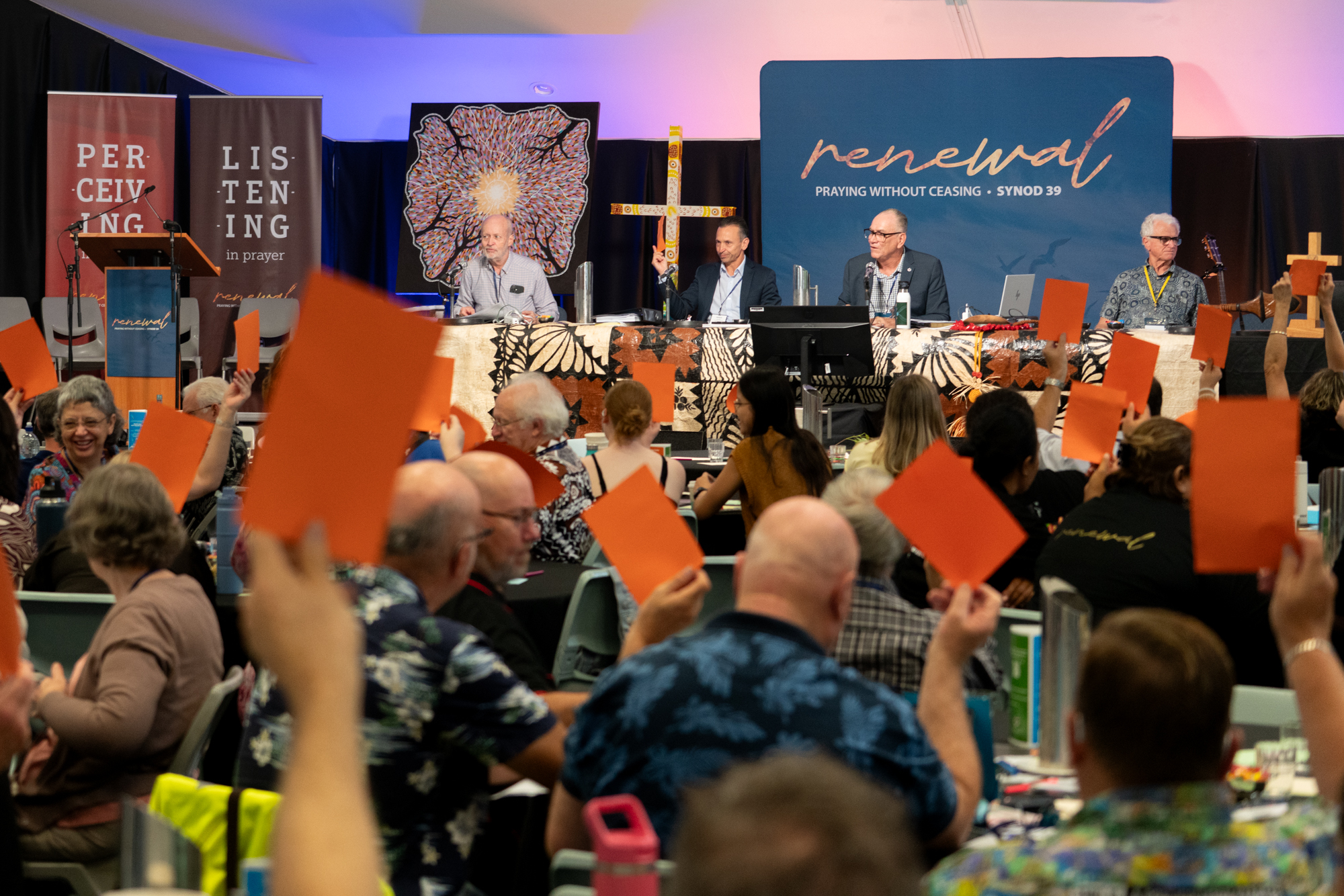
These questions were at the heart of a panel discussion at the 39th Queensland Uniting Church Synod in Session, where young people shared honest reflections on formation, discipleship and leadership. Their stories included renewed faith, the importance of community and the challenges of finding a place to belong.
The conversation was both encouraging and confronting. While the speakers spoke warmly about the people and communities that had shaped them, they also identified opportunities for the church to think differently about how it welcomes, supports and equips younger generations.
The challenge was straightforward: church communities need to be more deliberate about approaching people they have not met and making space for relationships to develop.
Together, the speakers offered a picture of a church with much to build on, but also work to do.
Their experiences showed that young people can find faith through family, friendship, significant gatherings, mentoring and a community that lives out its values. They also revealed that simply growing up around church does not guarantee a strong personal connection to faith, nor does an inclusive message automatically create a sense of belonging.
The panel was not simply an opportunity to hear young people tell their stories. It was an invitation for the church to reflect on what those stories require of its congregations, leaders and structures.
That means making mentoring intentional, creating genuine opportunities for young people to lead, communicating the church's identity beyond its own walls and building communities where people are actively welcomed into relationships.
Most importantly, it means listening with a willingness to change.
The message from the panel was not that young people have all the answers, or that every congregation can follow the same path to renewal. It was that their experiences offer valuable insight into what helps faith grow and what can leave people feeling disconnected.
As the Synod continues its work of discernment, these stories offer a reminder that the future of the Uniting Church is not simply something to plan for. It is being shaped by young people already among its communities, waiting for opportunities to contribute, lead and help the church become what it is called to be.
Key themes from the panel discussion emerged:
- Belonging must be intentional
Young people who grow up in church-connected families may find it easier to get involved. Newcomers and those without existing relationships can find the same communities difficult to navigate. Welcoming people requires more than opening the doors. It means actively building relationships, inviting people in and helping them find their place.
- Renewal requires a willingness to change
Renewal involved difficult decisions, fresh approaches and a willingness to give unexpected people opportunities. The resulting growth also renewed the faith and energy of existing young adults.
- Mentoring and leadership opportunities matter
Young people need opportunities to contribute, develop their gifts and take responsibility. Young people being given opportunities to illustrate how practical experience, encouragement and trusted relationships can support formation and leadership.
- Inclusion needs to be experienced
Panel participants described the Uniting Church's inclusive identity as a source of comfort, particularly in contrast with experiences of rejection elsewhere. But their stories also revealed the loneliness that can exist within a welcoming church. An inclusive ethos needs to be expressed through friendship, connection and practical care.
- The church needs to communicate who it is
Participants challenged the church to articulate its identity more clearly, particularly to people outside its existing communities. The work of Uniting Church agencies and community partnerships provides tangible examples of its values, but these stories need to be shared more effectively.
- Church attendance does not automatically lead to personal faith
Participants lived experience showed that being present at church is not the same as feeling connected to faith. One example was a personal invitation to Easter Madness which became a turning point. The discussion highlighted the importance of creating meaningful opportunities for young people to encounter faith, develop relationships and make their own commitments.
- Listening must lead to action
The panel was framed as more than a symbolic opportunity to hear young voices. The stories were an invitation for congregations and church leaders to reflect, learn and change. The measure of success is not simply whether young people are given a platform, but whether their experiences influence decisions and practice.
A Central Message for the Queensland Synod
The most important distinction in the discussion was between being a Church that welcomes young people and being a church that intentionally forms, includes and empowers them.
The speakers described both the strengths of the Uniting Church and the gaps that remain between its values and the experiences of some young people. The next step is to turn those insights into practical responses at congregational and wider church levels.
Three questions emerge for further discernment:
- How can congregations make mentoring, discipleship and leadership pathways intentional rather than incidental?
- What changes to established practices might help young people develop a deeper sense of belonging and ownership?
- How can the church ensure that listening to young people leads to visible changes in its decisions, relationships and ministry?

Discipleship
Discipleship & Mission
Children, Youth, Young Adults and Families
Journey
Latest stories
Browse the latest stories of the Church