Reflection - Refugee Week
8 June 2026
by Rev David Busch
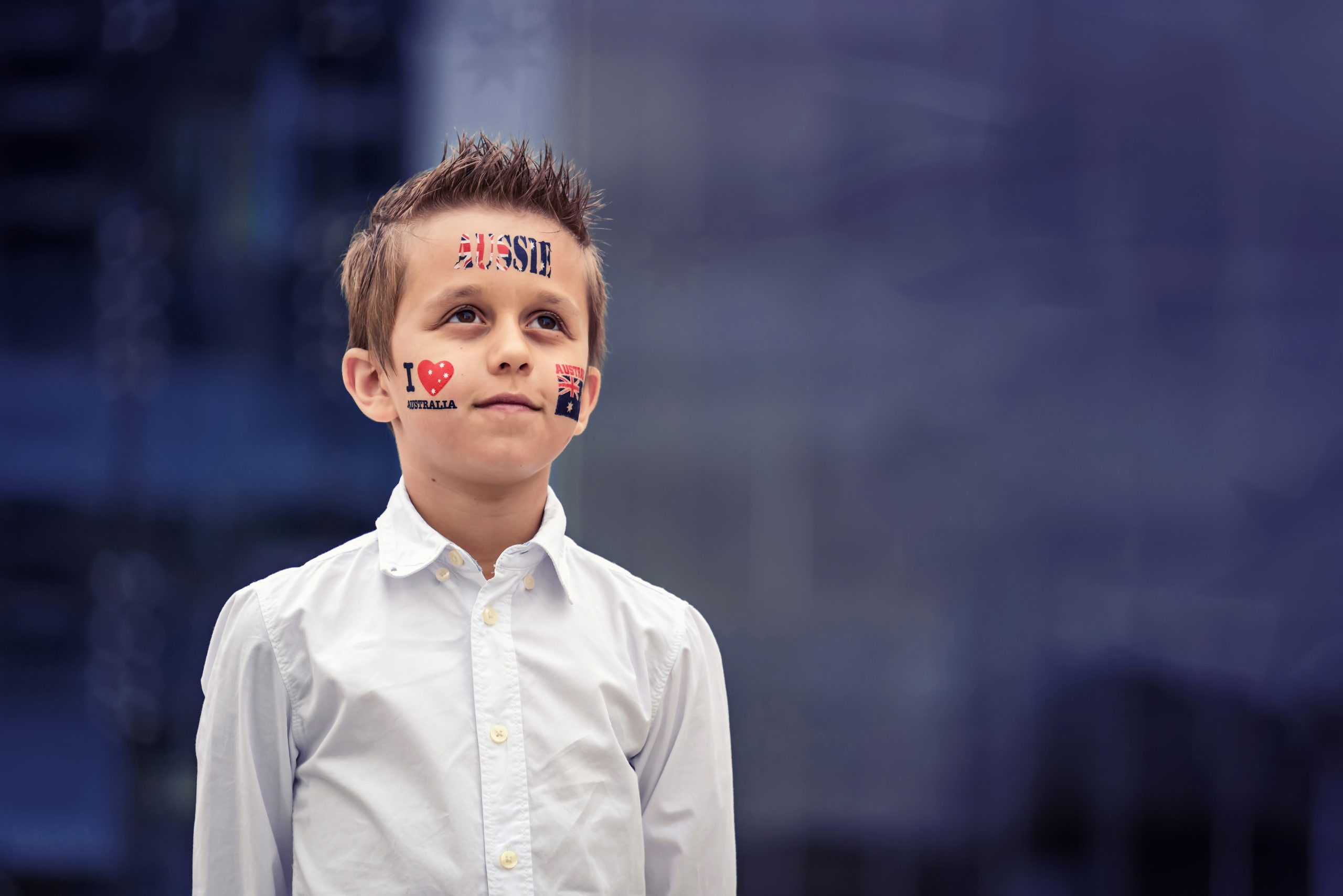
The second verse of our national anthem always catches in my throat when I sing, “For those who’ve come across the seas we’ve boundless plains to share …” As Australians, there is much that gives cause both for pride and, sadly, for shame in our development as a multicultural nation. Issues about immigration, cultural diversity, refugees and asylum seekers have been emotive and contentious throughout our political and social history. It has been a space of debate, policy and outcomes where we have seen the best and the worst of our shared life – principle, courage, vision, compassion and generosity, as well as scapegoating, resentment, suspicion, prejudice and cruelty.
Contemporary political currents provide a challenging context for commemorating Refugee Week 2026 which starts this Sunday, with World Refugee Day on June 20. Yet its theme of “One million stories” invites positivity, celebrating our nation’s considerable achievements in refugee response. In the past year, Australia welcomed its one millionth refugee since World War 2. In that time, refugees have contributed substantially to our economic, cultural, religious, sporting and civic life. Some have risen to the top of their field – among them Catholic bishop Vincent Nguyen, science broadcaster Karl Kruszelnicki, comedian and author Anh Do, sport icon Les Murray, tennis champion Jelena Dokic, and two-time Archibald Prize winner Judy Cassab. Indeed, Refugee Week itself, now a global observance, was an Australian initiative, begun 40 years ago by Major-General Paul Cullen, founding president of both the Refugee Council of Australia and Austcare (Australians Care for Refugees).
Yet the need grows ever larger. Today there are more refugees and internally displaced people than at any point since World War II. At the end of June 2025, over 117 million people – one in 70 of the world’s population – were categorised as forcibly displaced. Developing nations host 69% of the world’s refugees, with the four largest camps being in Bangladesh, Kenya and Sudan and housing over 2.5 million. Global resettlement opportunities from such camps are extremely limited, with only a small number of countries offering formal programs. Some nations have recently suspended their intakes. Australia’s annual Refugee and Humanitarian Program intake remains at 20,000 places, with careful screening of applicants and management of community integration and resettlement supports.
As Christians, we cannot allow statistics, politics and rhetoric to blind us from seeing that refugees and asylum seekers are people like us. We cannot help them all, but we must do what we can. That includes praying and working for peace and protection for all people in all countries. And when refugees come into our communities, or on to our shores seeking asylum, we cannot turn away. As the Hebrew people head to their own land having fled slavery in Egypt, God commands they treat the sojourners and foreigners among them with justice and kindness, even to “love them as yourself”, because they know what it was to be vulnerable and exploited as aliens in Egypt (e.g., Leviticus 19:33-34). Moses, David, even baby Jesus, fled for their lives to other countries. Jesus identifies himself as the stranger whom we either did or did not welcome (Matthew 25:31-46).
May we find ways to embody God’s steadfast love to those who need our protection and care – and hear and celebrate stories of refugees now settled in Australia.
Find some useful links here:
- Refugee Week 2026
- Australian Churches Refugee Taskforce (Facebook page)
- UCA Assembly document, “A welcoming, compassionate and diverse nation.”
- World Vision article: What does the Bible say about refugees?

Discipleship
Discipleship & Mission
Children, Youth, Young Adults and Families
Journey
Latest stories
Browse the latest stories of the Church