A place for all of us: A short history of Alex Park
4 June 2026
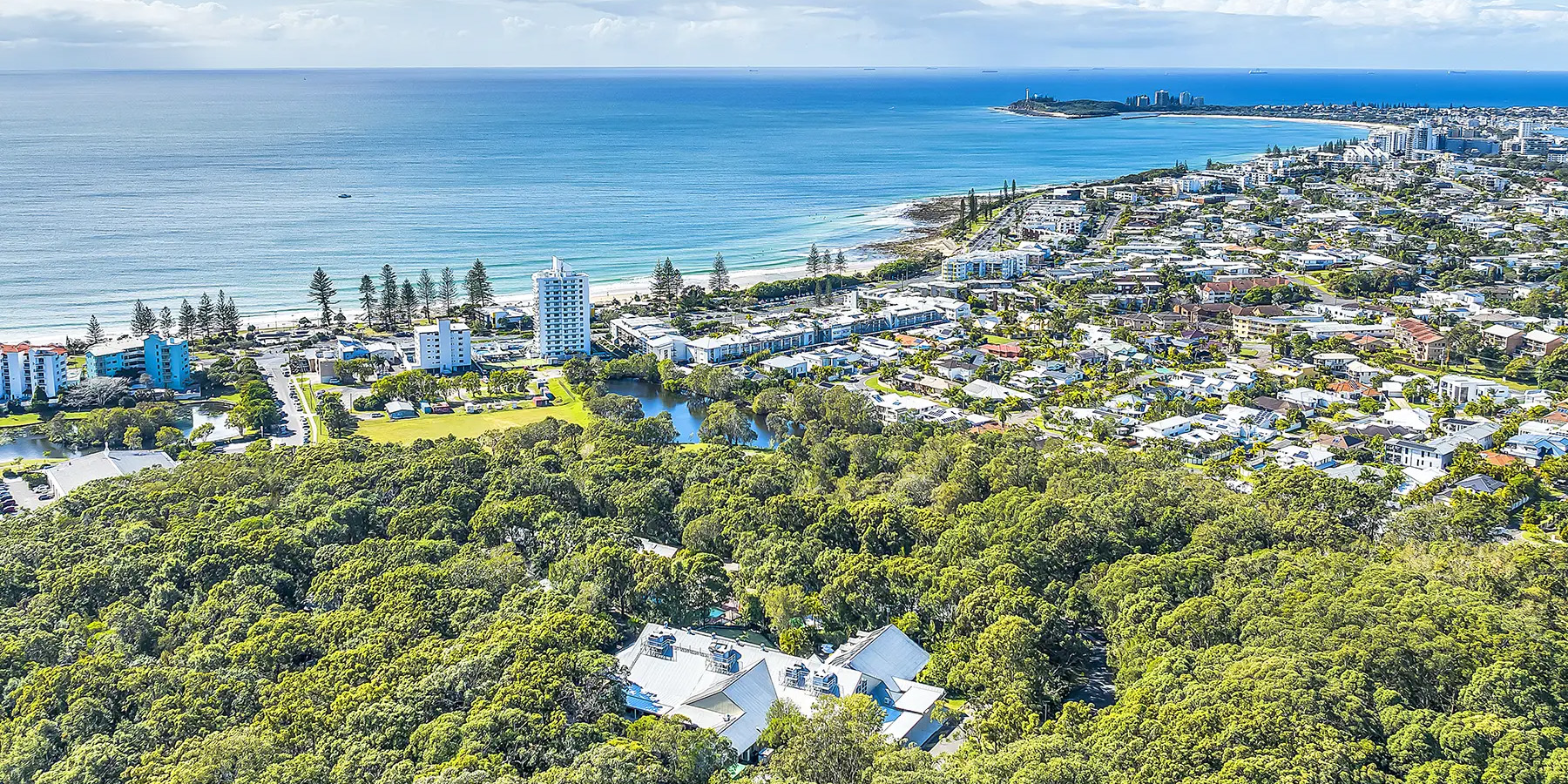
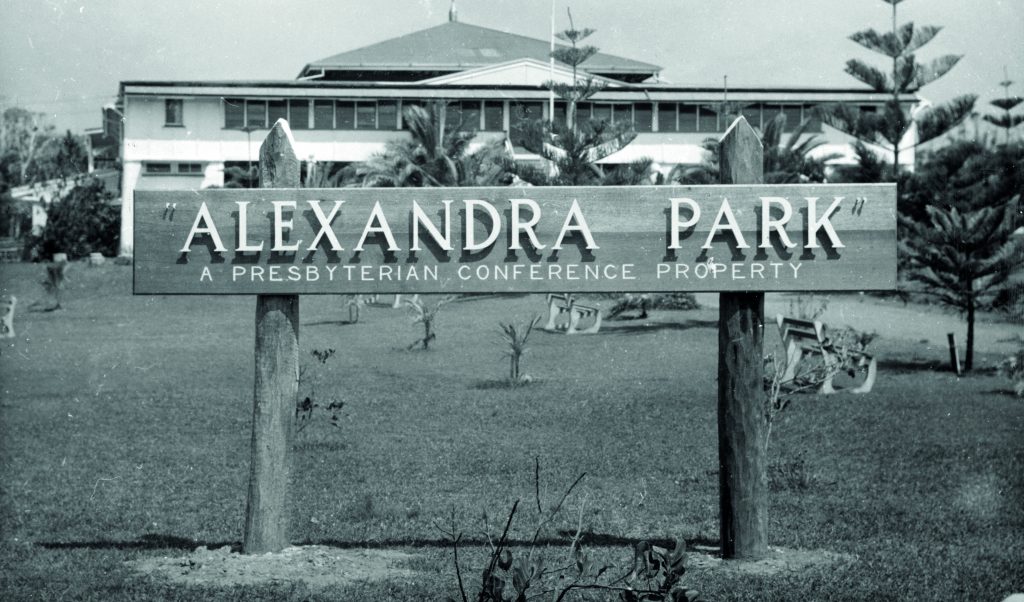
The Presbyterian Young People’s Fellowship Association’s first Easter Camp at Alexandra Hostel was in 1933.
Back then, Alexandra Headlands was a secluded and isolated place. But it was also seen as a wonderful place where young people could gather and celebrate Easter.
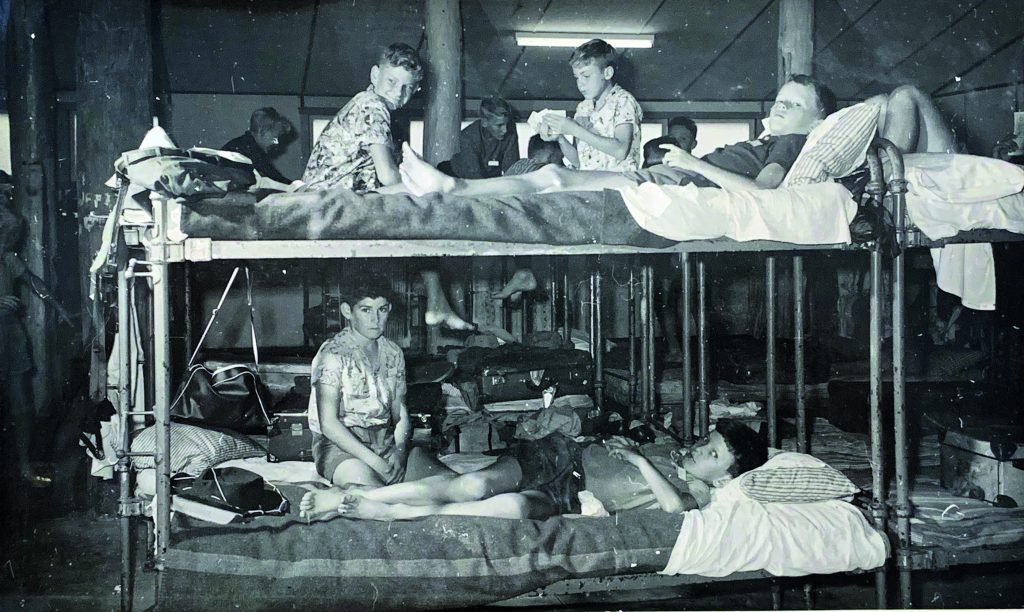
Between 1933 and 1942 the site was used for Easter camps and grew in popularity. Then along came World War II, the boarding house was taken over by the Australian Army and Easter Camps ceased 1942-44.
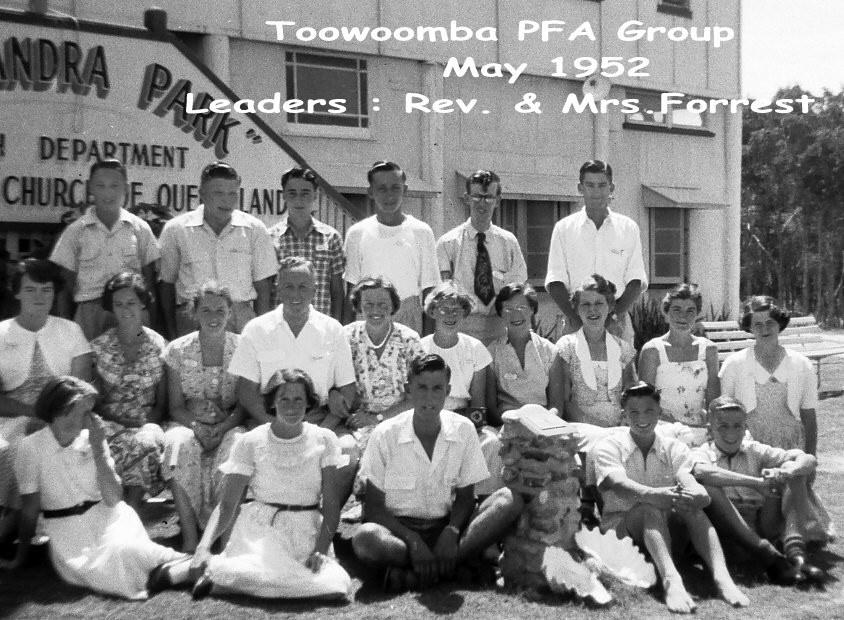
By the summer of 1945 Queensland Presbyterian Camps purchased Alexandra Hostel at a reduced cost. They began setting up the camp home for the Young People’s Fellowship Association. They quickly developed concept plans for how they would use the 173 acres of land as a training centre for youth workers, youth leaders, organised camps, a holiday centre and a rest haven for people needing a place away.
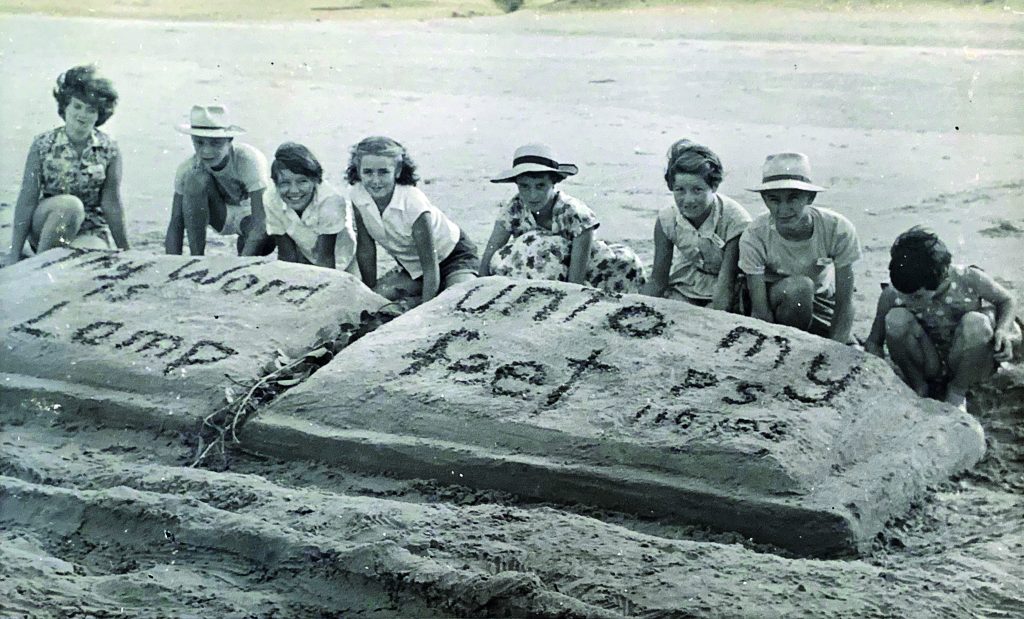
Those early days of Alex Park were largely thanks to the foresight of Norman Nelson. Later in his life, he was to pen a book called To Help Them Find Their Feet about Alexandra Park.
Their own place
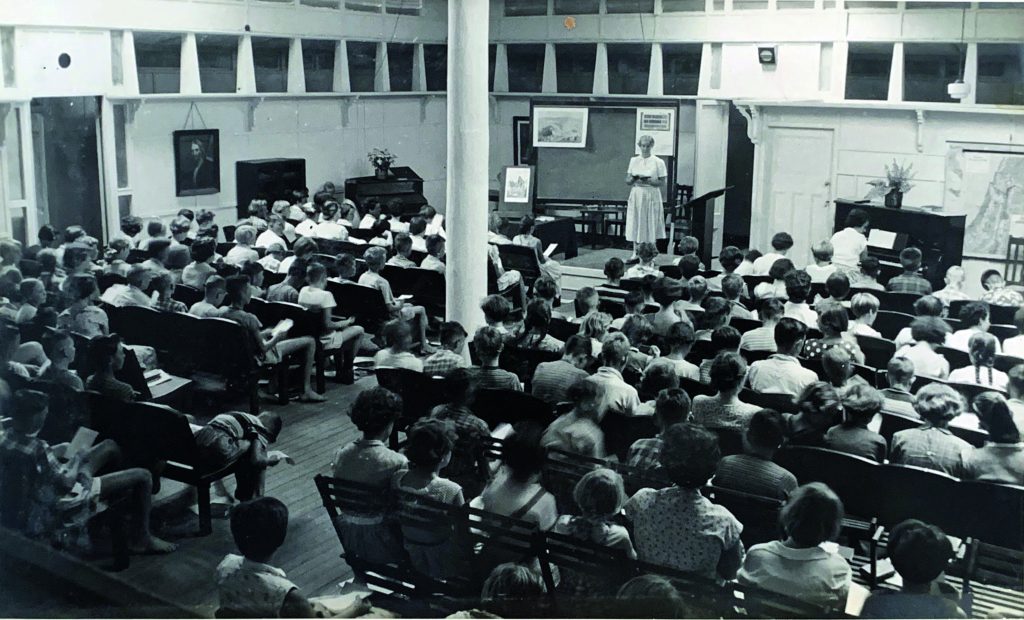
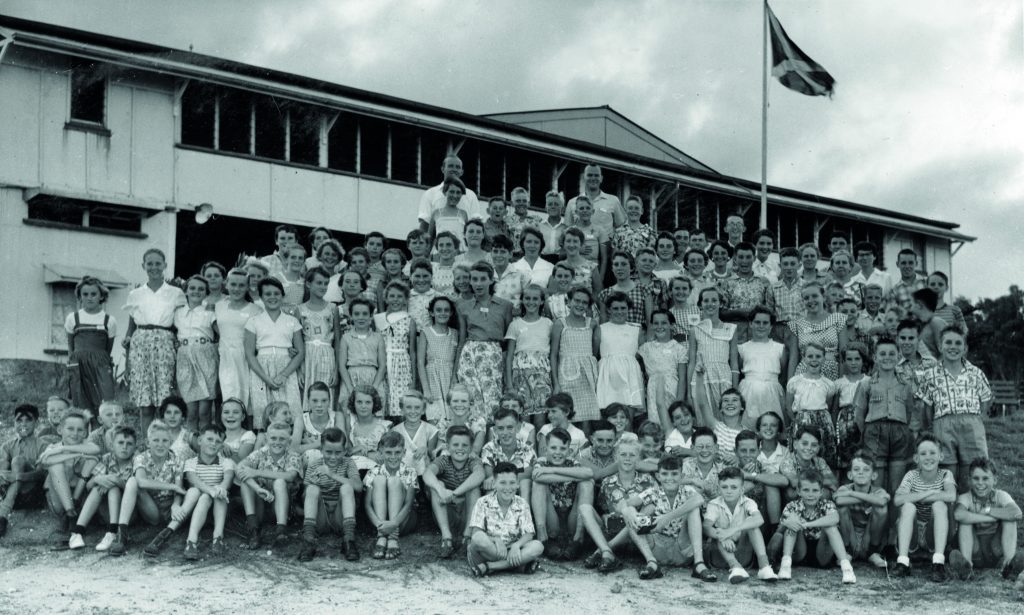
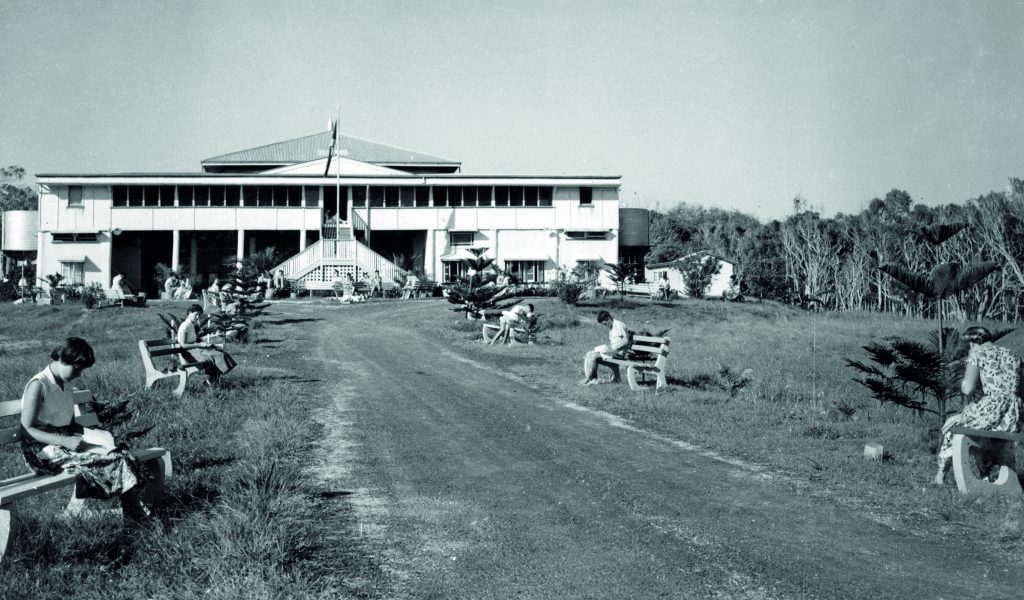
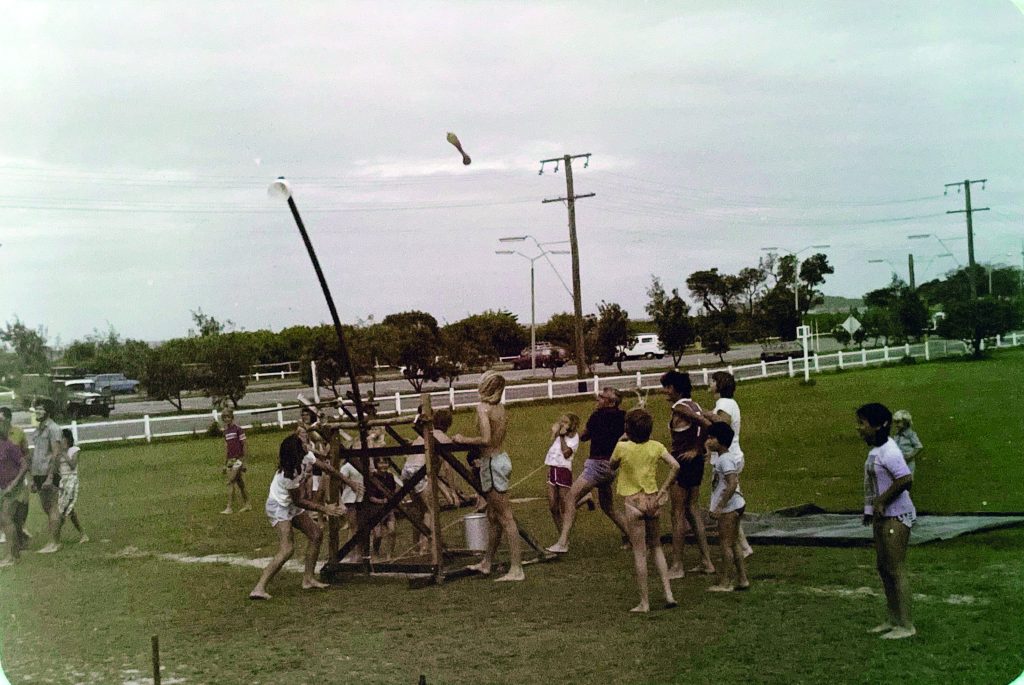
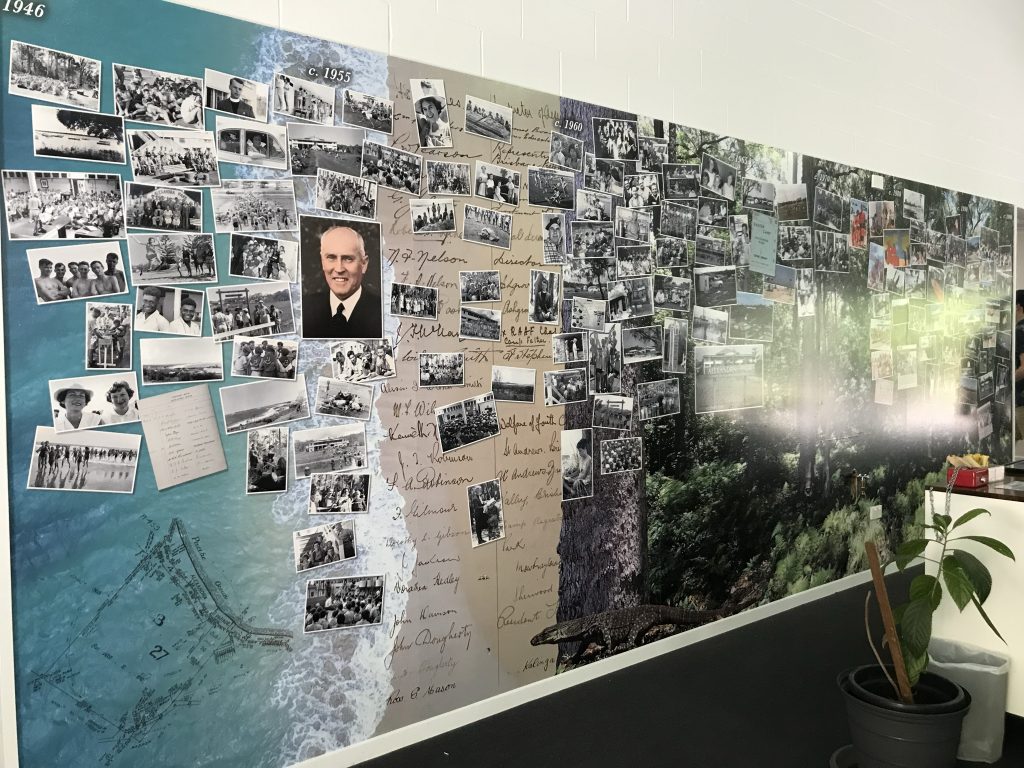
Preparations were made for the 1946 Easter Camp and the opening was held the night before Good Friday, April 19, 1946. It hosted 200 campers who were finally in “their own home”.
Alex Park’s current manager Danny Salzke says the original mandate was to have a place where young people could come together for both holiday and teaching camps, as well as conferences.
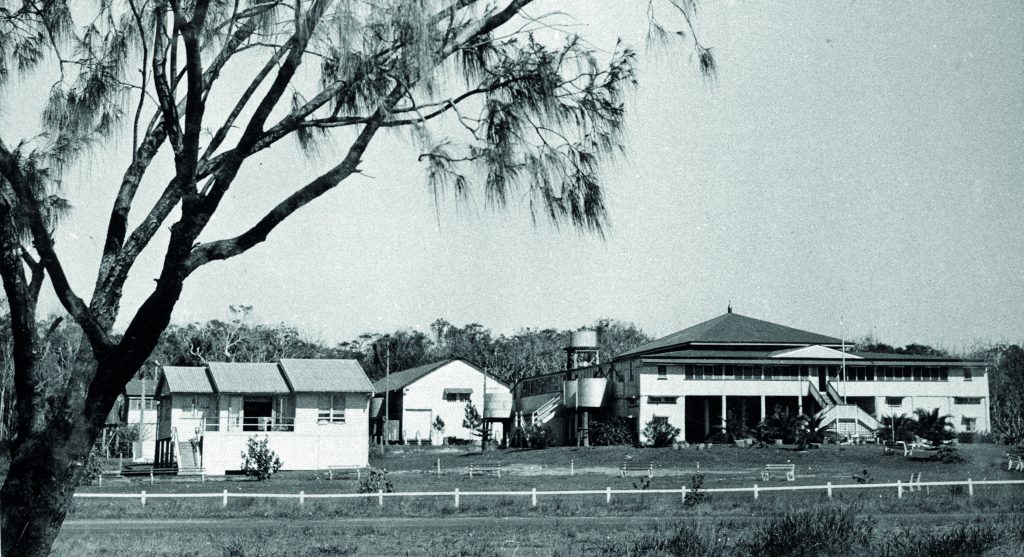
But getting Alexandra Park Hostel ready for Easter Camp 1946 was not easy. In Danny’s words, “The first task was cleaning up… and a mighty task it was. Burning stacks of rubbish and undoing blacked out windows”.
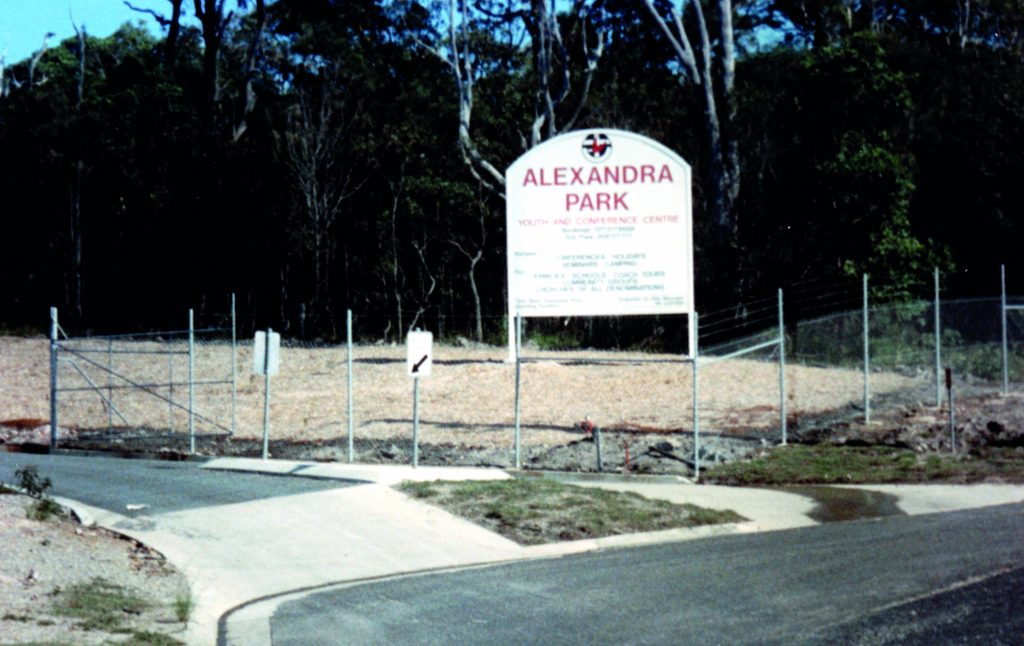
“Alexandra Park in the 30s and 40s was very different,” he says. “I have old pictures of just a dirt sand track and a very old, small surf club-type building. It wasn’t the popular tourist destination we see today.”
Alex Park also became a home for people in the church who wanted somewhere to go for sanctuary, peace and quiet, or to connect with family.
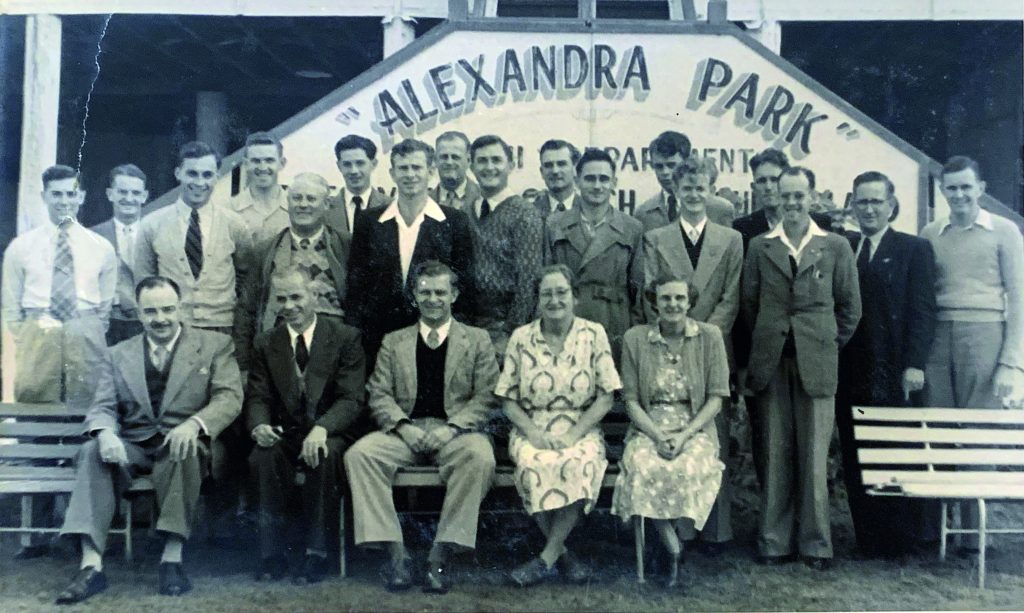
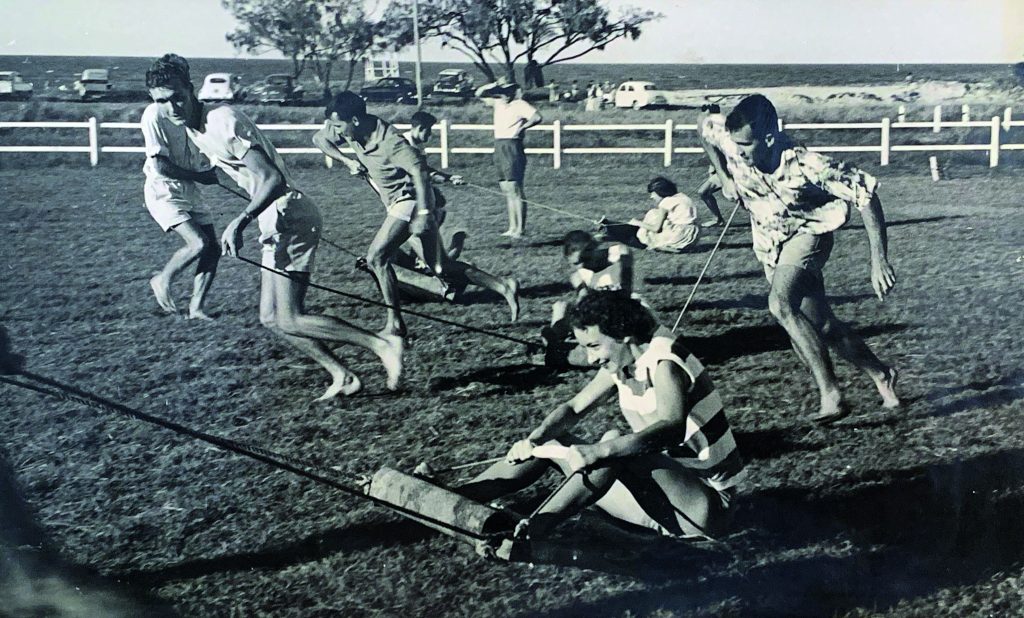
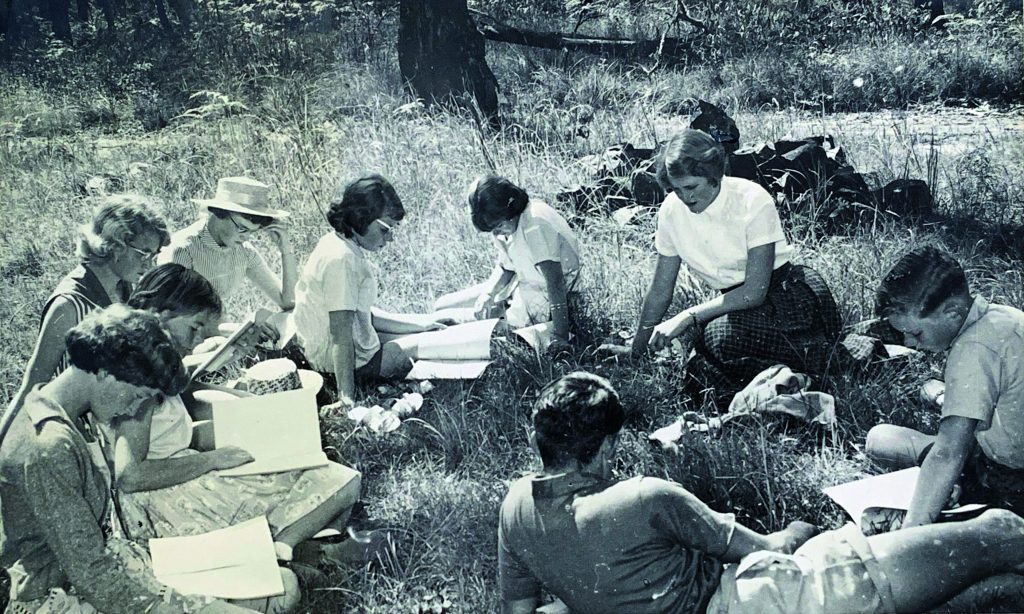
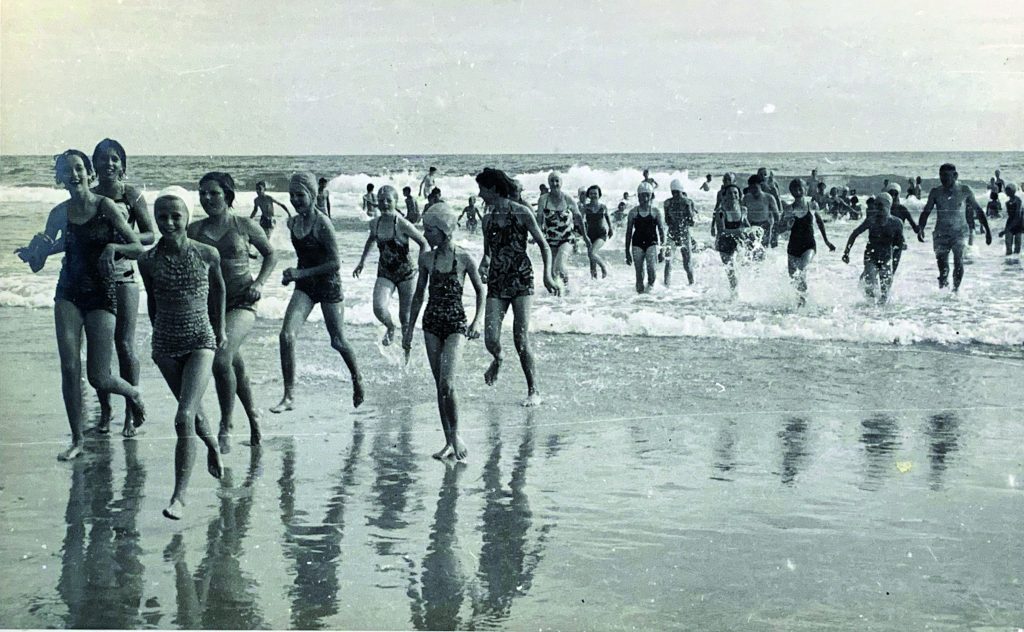
“There are still generations of people alive who had their youth camp experience at Alex Park; they might have made lasting friendships or even met future spouses,” Danny says.
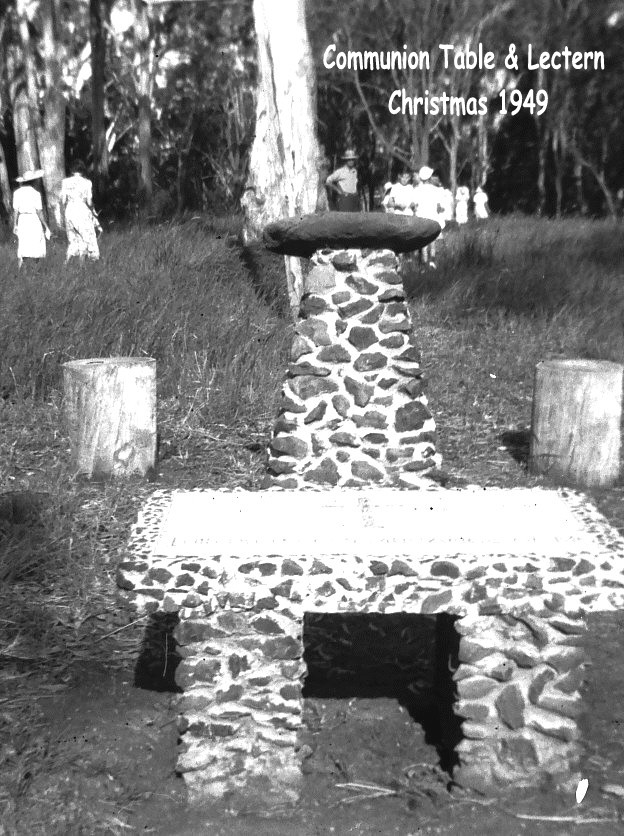
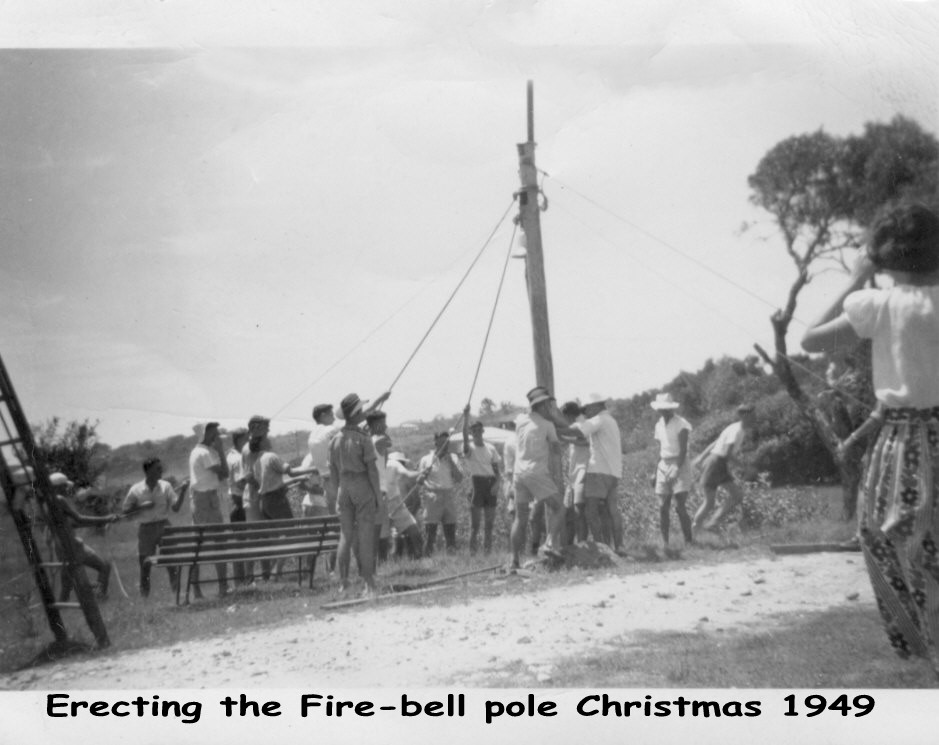
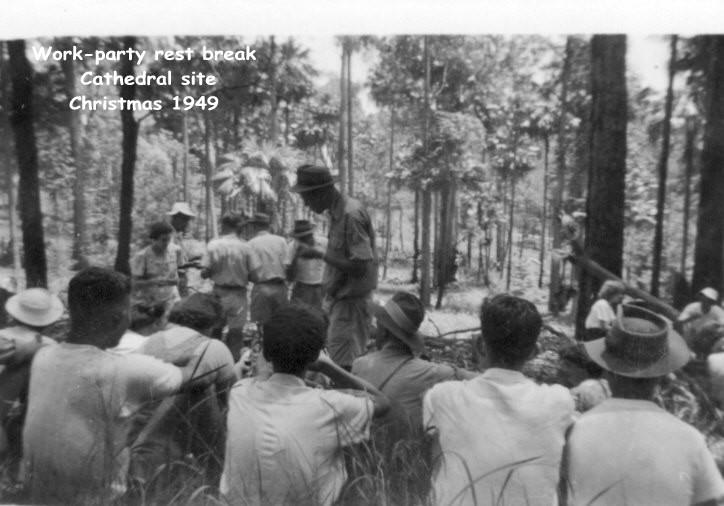
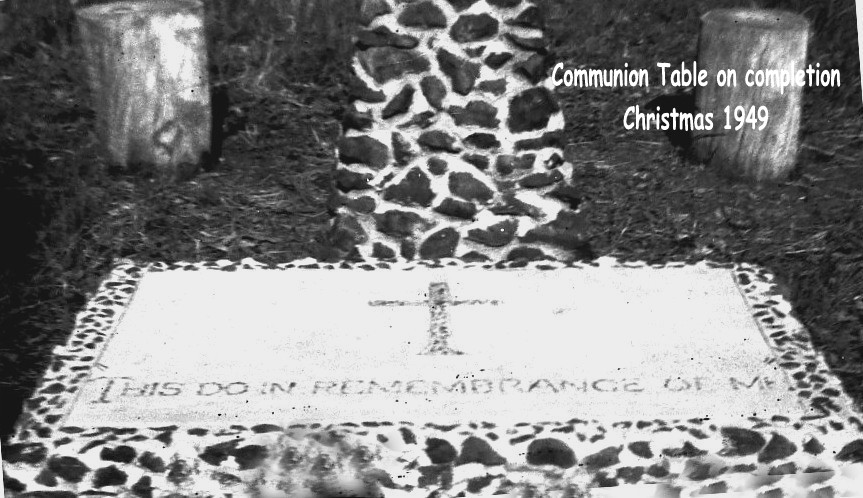
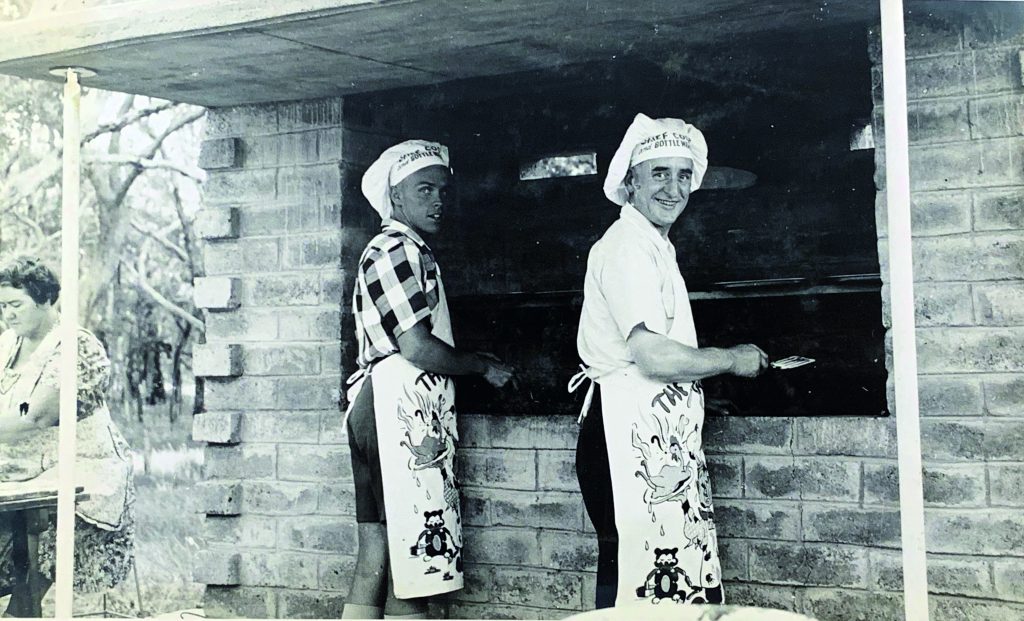
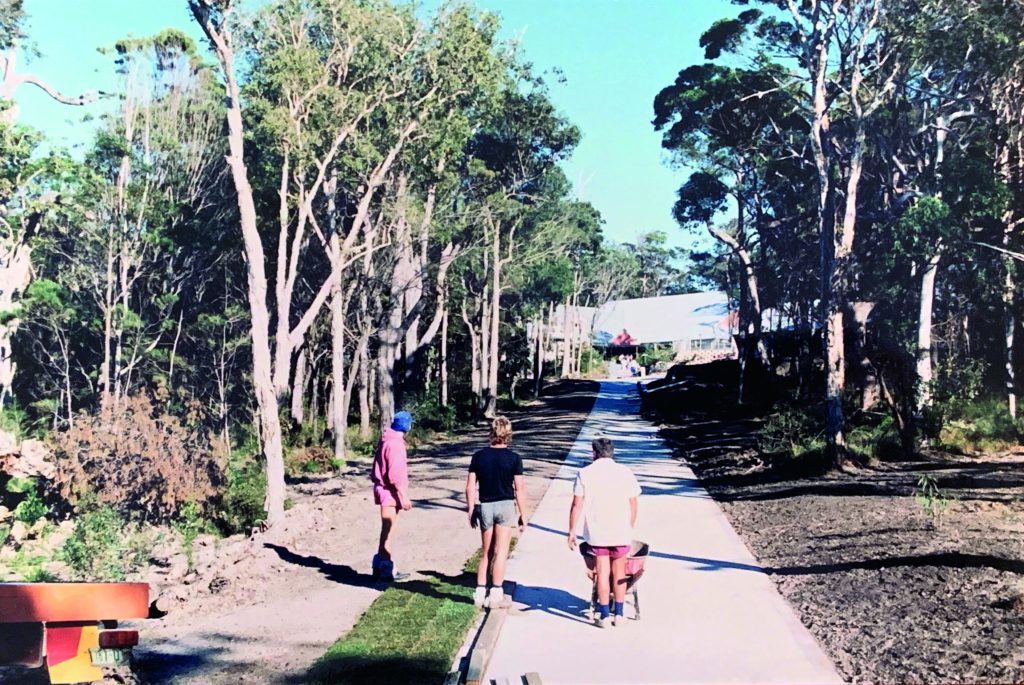
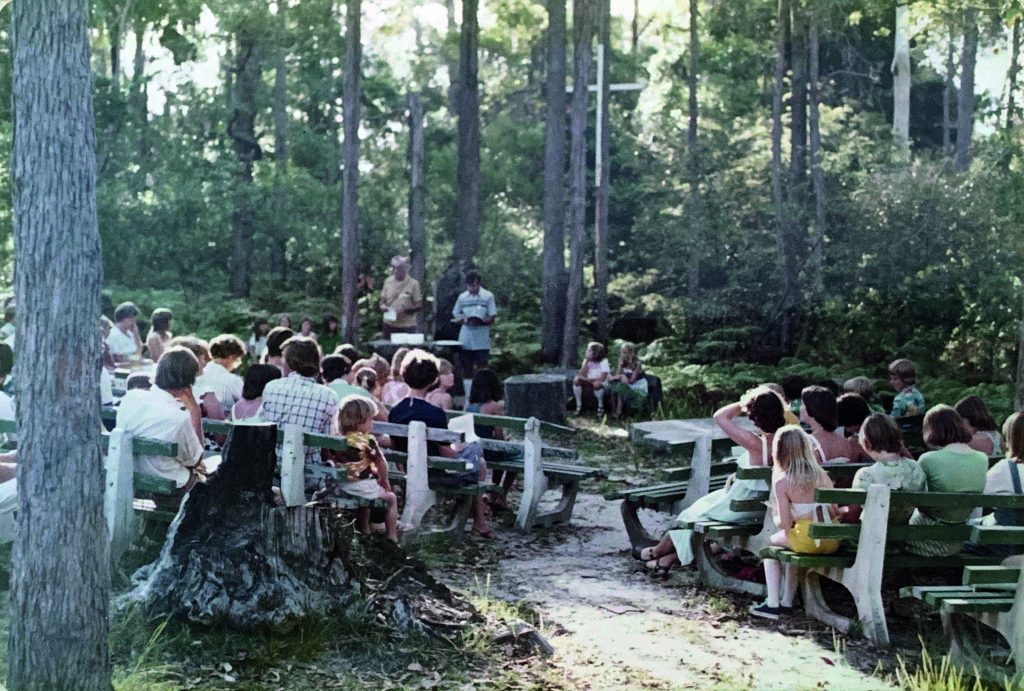
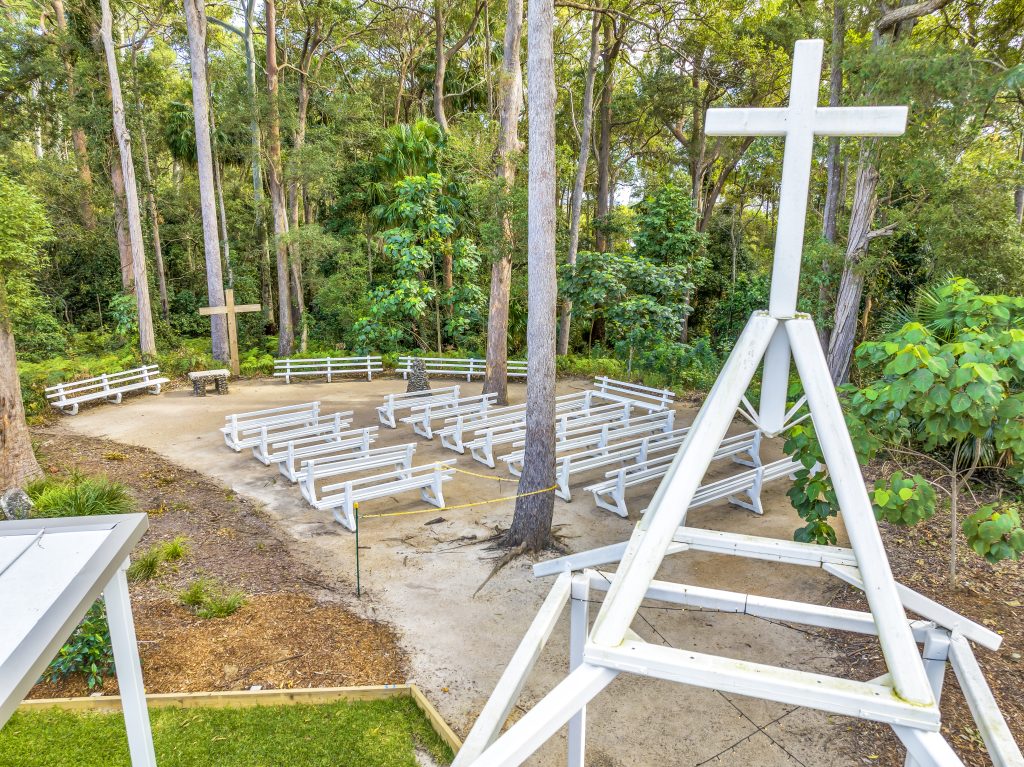
Working parties were a regular fixture, conducting building repairs, tree planting for the regenerated rainforest, and construction. “I recently read where working bees of young people in the church were brought in to get that bush chapel area ready. They built these stone artefacts, including the communion table,” says Danny.
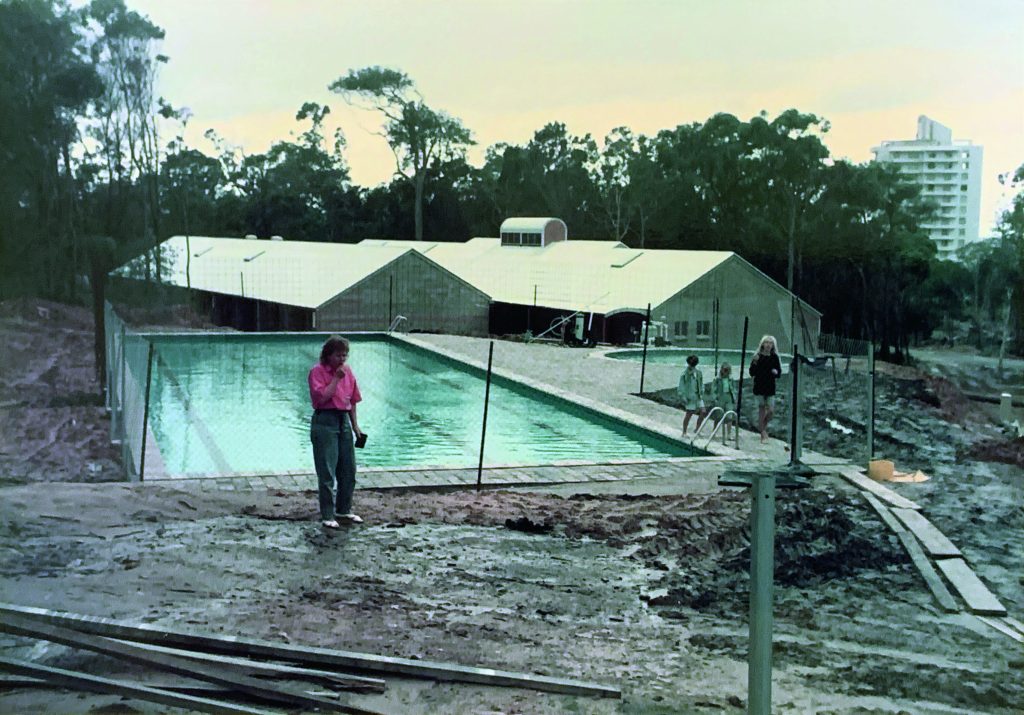
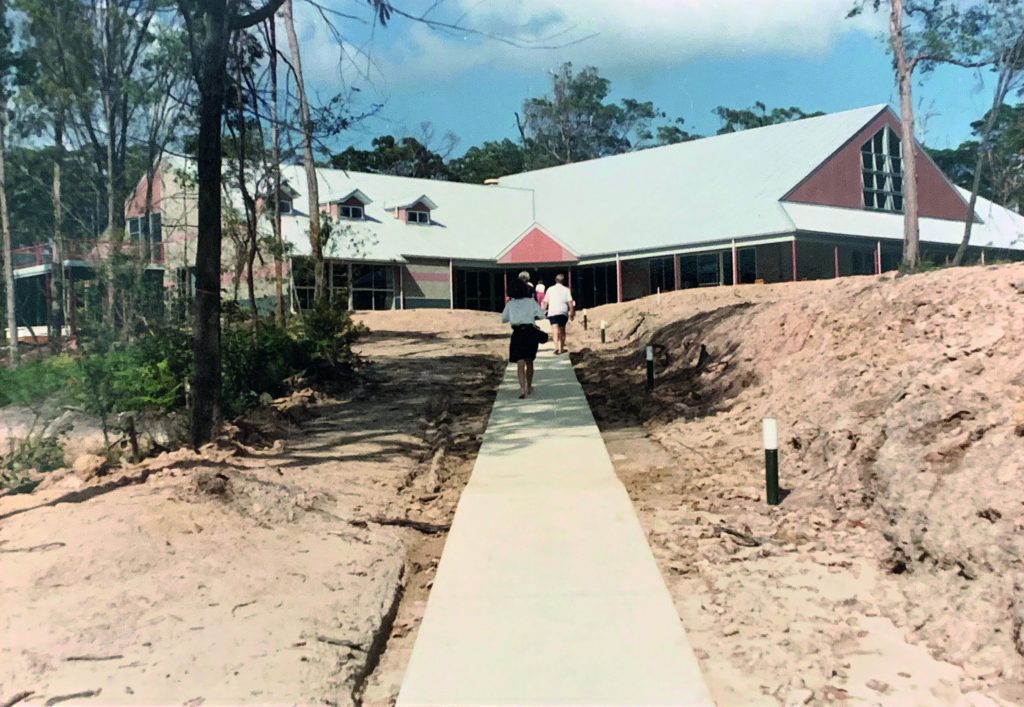
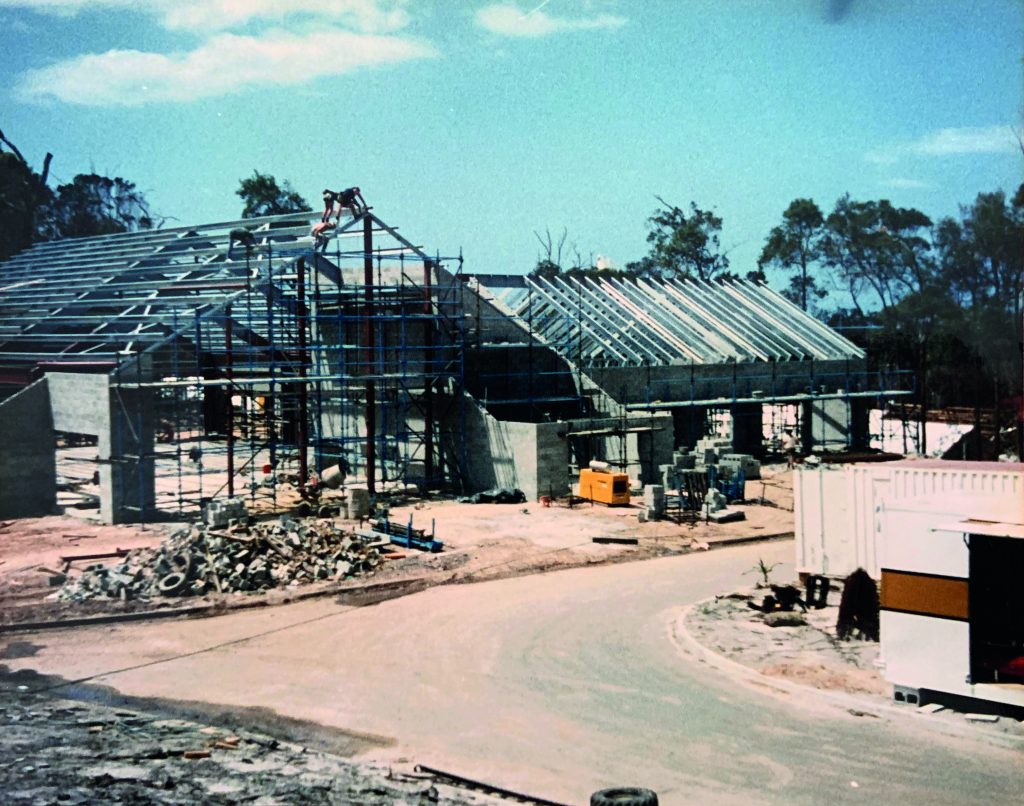
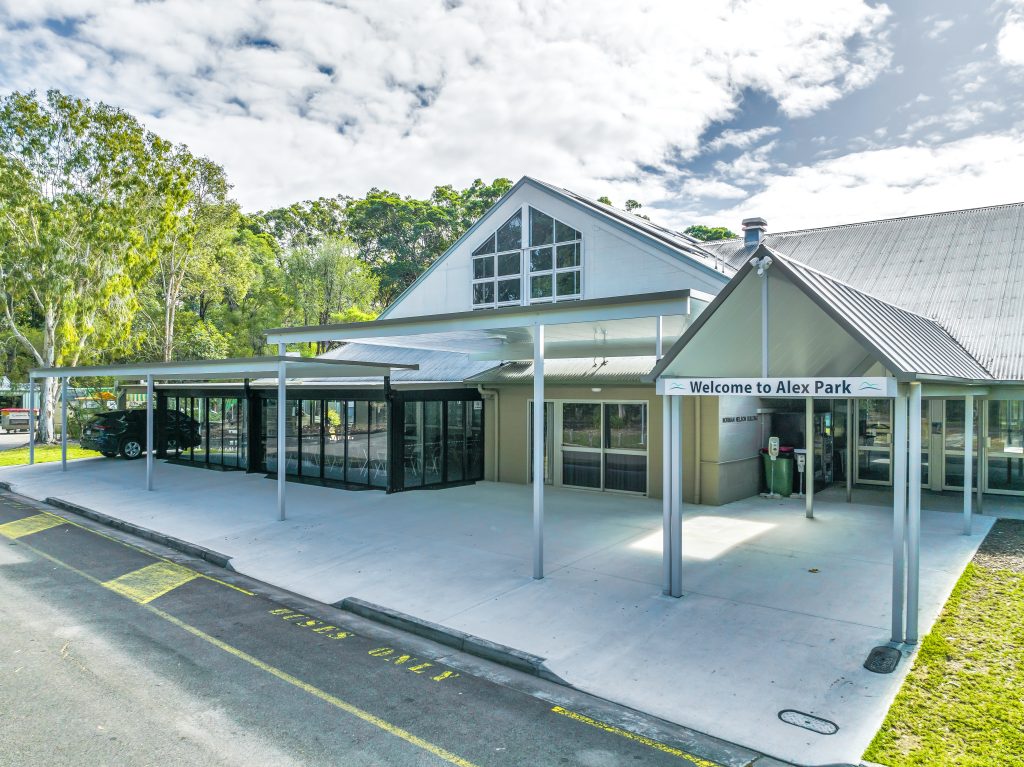
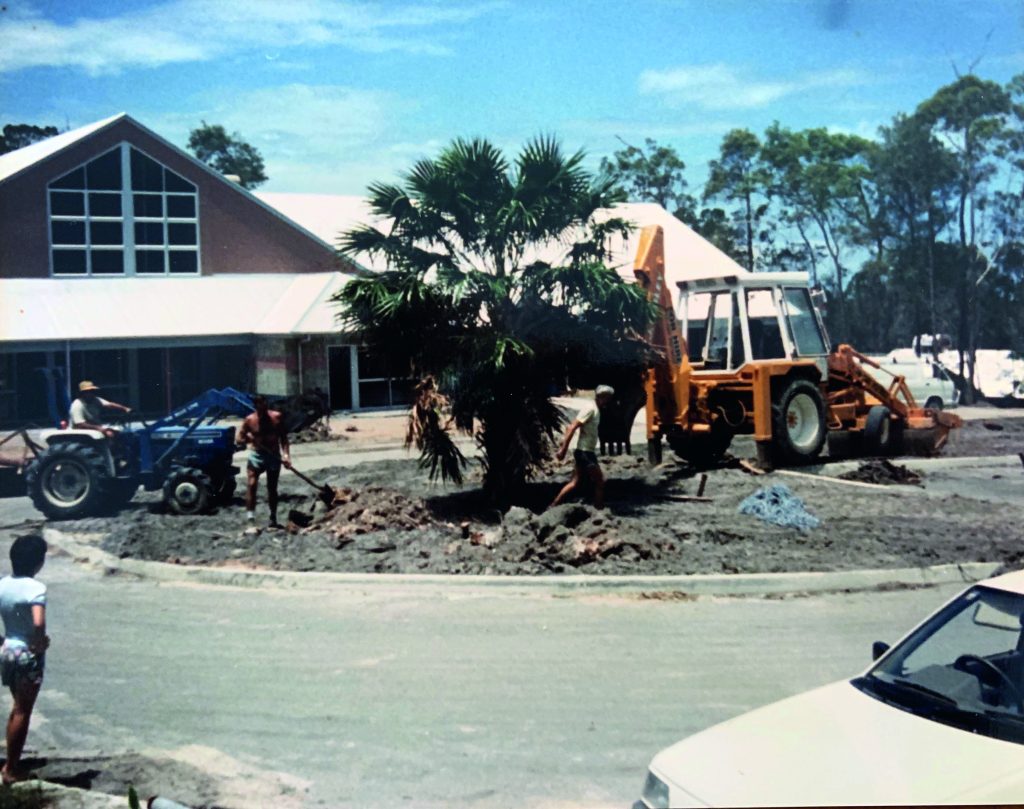
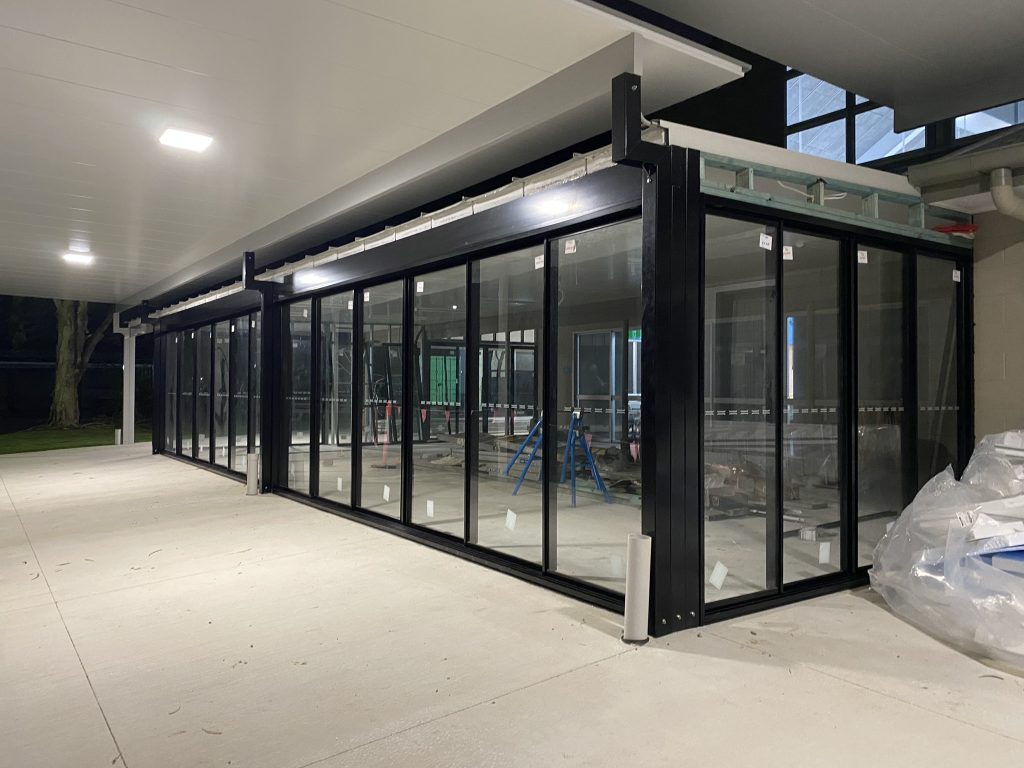
Eventually, upkeep of the hostel building was becoming difficult and it was deemed no longer fit for purpose. In 1988, a new build, the biggest the site had seen, was planned. A portion of the original land was sold to fund a new facility comprised of two accommodation blocks, a main building with offices, an auditorium, kitchen and a dining room. Expansion has continued over the decades since.
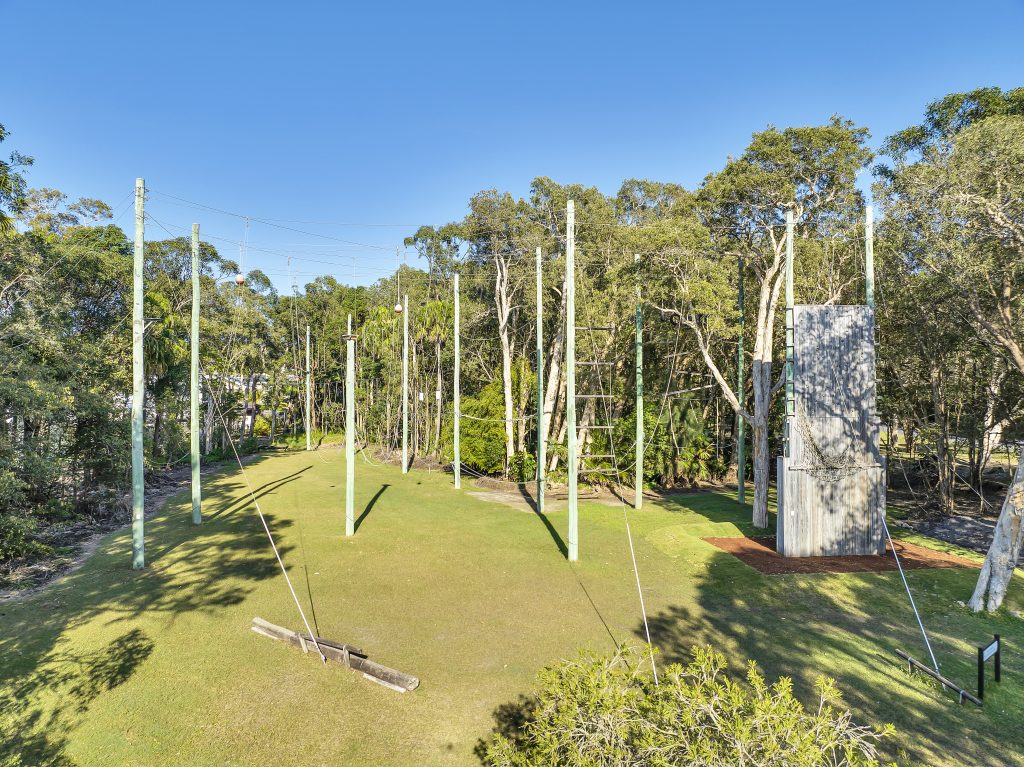
Danny says that for a church-owned facility to be located amid a rainforest next to the coast, reflects the vision of Alex Park’s forebears. “What has always served young people, even today, is a shared experience - an outdoor experience,” he says.
“Back in the day, that's all Alex Park was - the outdoors with a building on it. It's the people who shared it that made it special. In our modern world that means more than television and devices.
“Alex Park today still offers an escape with nature and all its beauty, but with all of today’s comforts to make connecting and growing possible.”

Discipleship
Discipleship & Mission
Children, Youth, Young Adults and Families
Journey
Latest stories
Browse the latest stories of the Church