Moderator's Convocation - Leading Change in Complex Times
1 May 2026
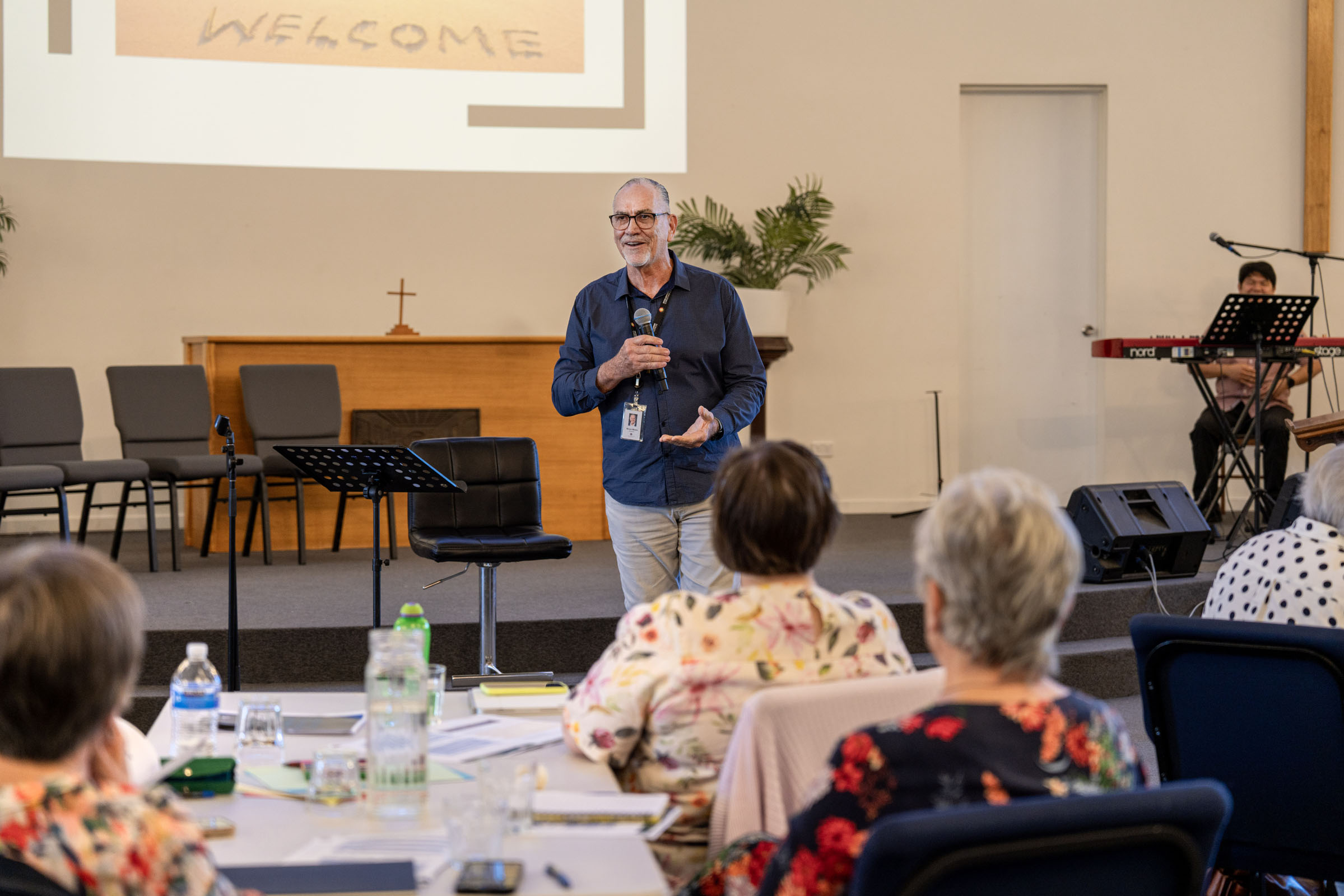
By Rev Willie Liebenberg
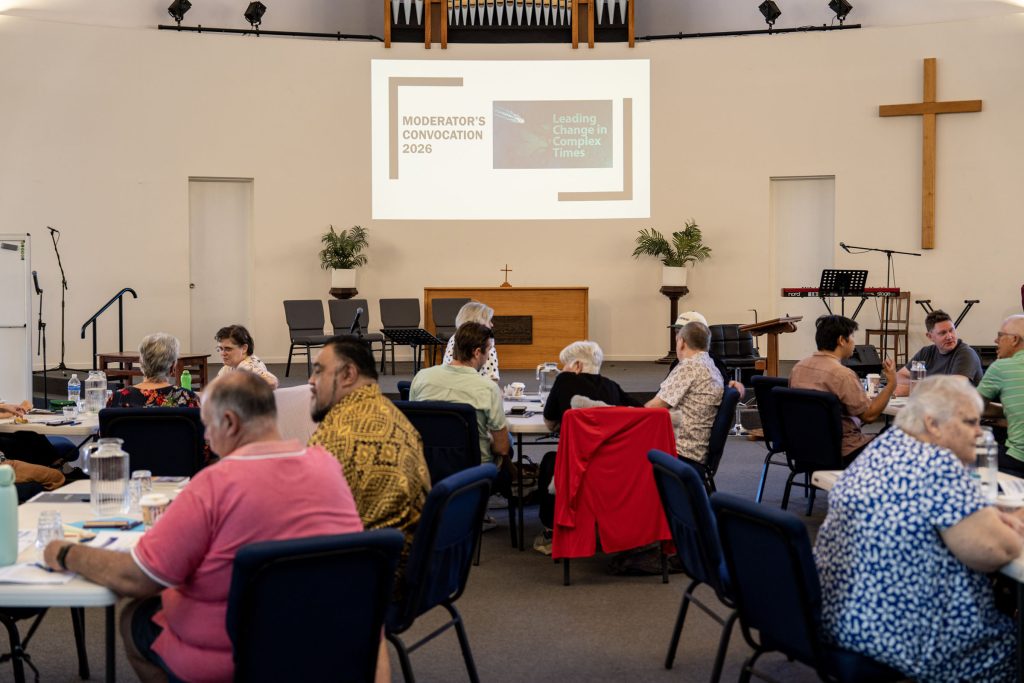
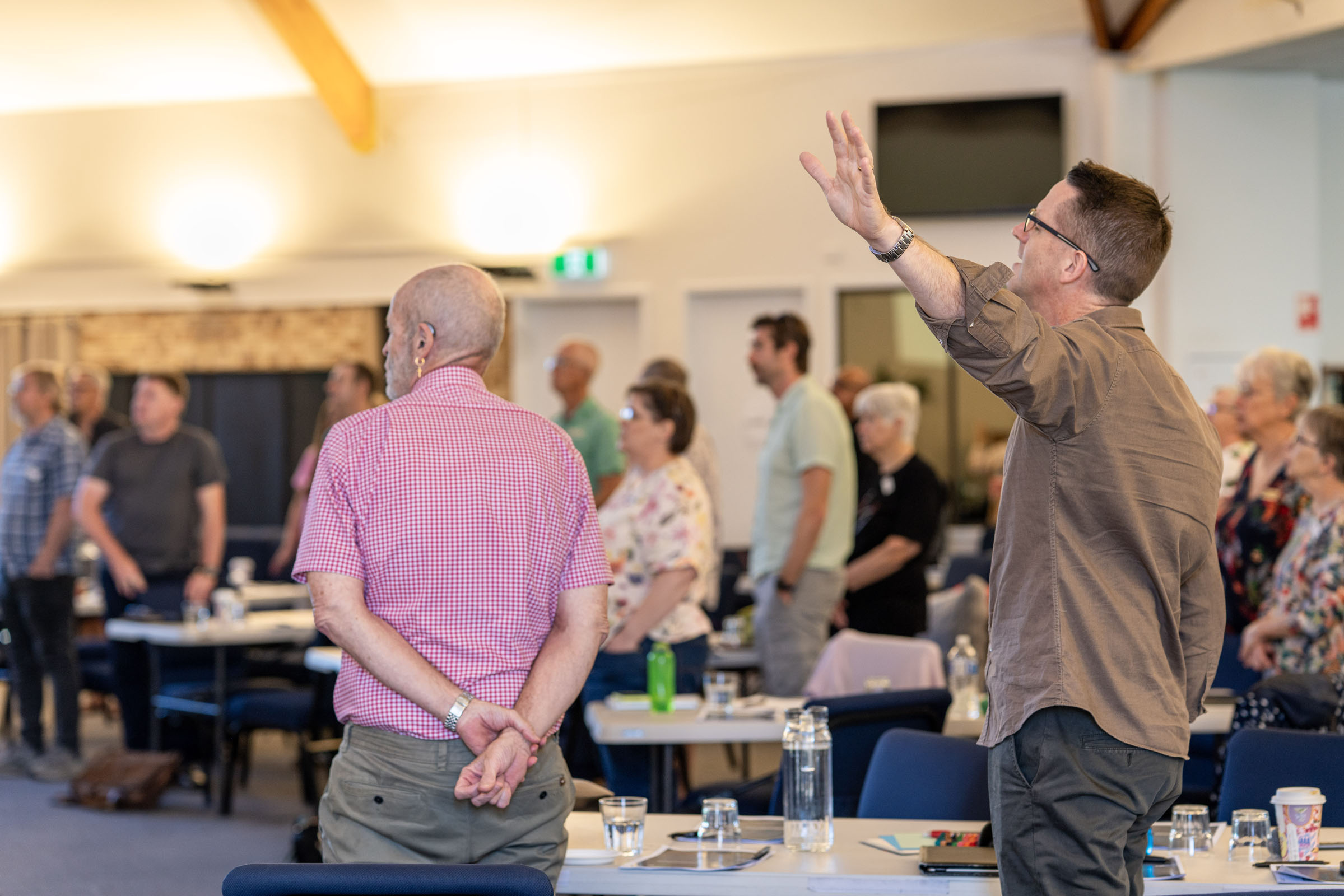
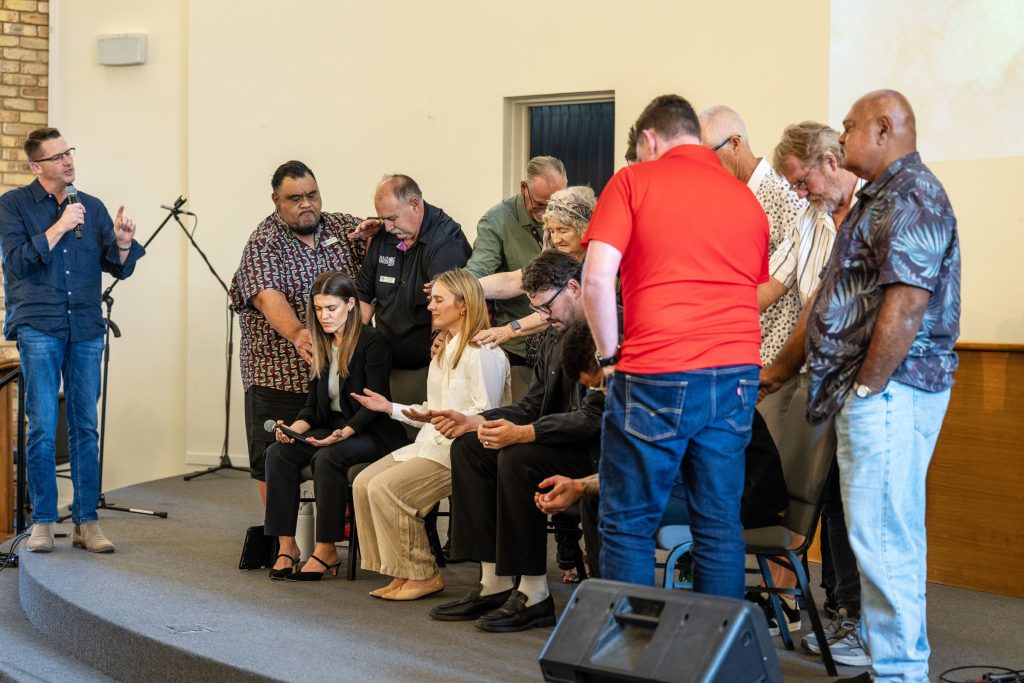
The recent Moderator’s Convocation was a timely and encouraging opportunity to pause, listen, and step away from the busyness of ministry for a moment – creating space to reflect on where the Spirit might be leading the Uniting Church in this season.
Gathering with ministers and leaders from across the synod, the Convocation offered space for honest conversation, shared learning, and prayerful listening. Rev Charissa Suli led us beautifully into the practice of stillness – stillness before the chaos. Rev Bruce Moore challenged us through the story of Jacob wrestling with God. What stayed with me was this: when we wrestle with God, we are blessed – but we often walk away with a limp. And that limp becomes our teacher. It’s not about drawing attention to the limp but recognising the blessing of God that comes through it.
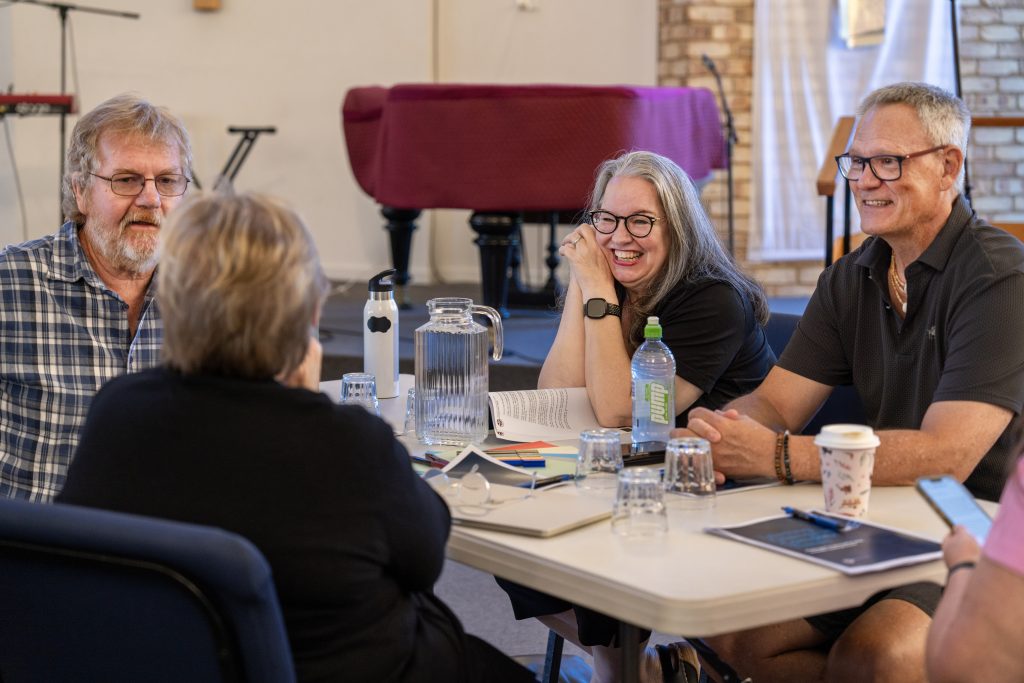
Throughout the conversations and shared stories in our groups, there was a strong sense of both the real challenges facing congregations and the deep faithfulness being lived out across the church. Churches are wrestling, yes – but they are also continuing to trust, serve, and follow.
What I valued most was the reminder that renewal is not something we manufacture. It is something we are invited into (as Bruce might call it, that liminal space) as we listen carefully – to God, to one another, and to our local contexts. It was encouraging to hear the diverse and creative ways congregations are responding faithfully to their communities, often with courage and hope amid significant change.
One key takeaway for me was the call to lead with hope rather than anxiety. There was a strong sense that we are being invited to resist simply managing decline, and instead to lean into practices that nurture discipleship, deepen community, and open our churches more fully to the people God is already bringing among us.
We should be paying close attention to what God is already doing at the local level. Rather than looking for one-size-fits-all solutions, the Convocation affirmed the value of contextual ministry – being deeply rooted in place, responsive to real people, and open to new expressions of church shaped through genuine relationships.
For me, this reinforced the importance of practices that we have implemented in my personal context that prioritise connection; strengthening intergenerational life, succession plan for leaders, and focusing on belonging before belief. The emphasis on renewal as relational rather than program-driven will continue to shape how we approach ministry in our local context.
The panel conversation led by Annie Phillips – with Toby Lewis (Anglican Church), Emily Higgins (Alpha – Sphere), and Josh Bull (Community Church, Melbourne) – was particularly inspiring. It was encouraging to see younger leaders carrying such passion for God’s mission and the renewal of the church.
Bernie Kelly was a real highlight for me. His reflection on inside‑out leadership was both challenging and affirming. He reminded us that healthy leadership flows from the inside out – and I would say this applies not just to leadership, but to our spiritual lives as a whole. Many churches, and many Christians, live from the outside-in: Have → Do → Be. We build our faith on activity and appearances. We stay busy. We stay involved. And eventually, we hope we become the people we want to be. God works the other way around: Be → Do → Have. God begins with the heart. Renewal doesn’t start with doing more, but with allowing God to work deeply within us first. We become the people He wants us to be.
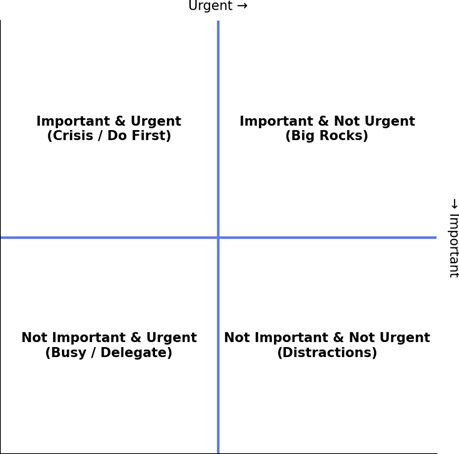
Bernie also challenged us with the Big Rocks metaphor – identifying what truly matters and placing those things first, before everything else fills our lives.
- Important and Urgent: things that really matter and can’t wait—crises, relationship breakdowns, health scares.
- Important but Not Urgent: the most important space for discipleship and leadership—prayer and Scripture, marriage and family, rest and Sabbath, vision, planning, formation, and mentoring.
- Not Important but Urgent: things that feel pressing but don’t truly matter all that much – emails, meetings we don’t need to attend, admin that could be shared or simplified.
- Not Important and Not Urgent: pure drain – mindless scrolling, comfort avoidance, procrastination disguised as rest, filling time rather than being present.
This little diagram was helpful:
There was so much more from Bernie Kelly than I can capture here, but these were the insights that felt particularly important for me to take away.
Coming away from the Convocation, I am reminded that renewal is not something I can force or manufacture. It begins with slowing down enough to notice what God is already doing – in me, in our congregation, and in our community. Growth starts not with activity, but with attention. Practically, this means I want to give renewed priority to the important but not urgent practices that so easily get crowded out.
I am also challenged to lead with hope rather than anxiety – to resist reacting out of scarcity or fear and instead trust that God is at work even when outcomes are uncertain. Renewal asks me to listen more deeply, to God, to our local context, and to the stories of those around us.
The invitation before me is to live and lead from the inside out – allowing God to shape the heart first, trusting that right action and fruit will follow. As I place these “big rocks” first again, I pray that space will open for growth that is genuine, relational, and shaped by the Spirit rather than driven by urgency and programs.


Discipleship
Discipleship & Mission
Children, Youth, Young Adults and Families
Journey
Latest stories
Browse the latest stories of the Church